Ondo AG seeks constitutional amendment to address Nigeria’s insecurity
By Boye Oyeyemi
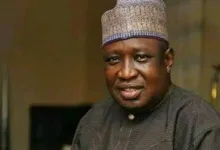
The Ondo State Attorney General and Commissioner for Justice, Dr Kayode Ajulo (SAN), has called for an amendment to the 1999 Constitution to allow the establishment of state police, describing the current legal framework as inadequate for addressing the nation’s growing security challenges.
Ajulo, in a statement on Saturday, argued that certain provisions of the Constitution create obstacles to effective security management by state governments, despite placing the protection of citizens as a primary responsibility of government.
He said, “Section 14(2)(b) of the constitution makes the security and welfare of the people the primary purpose of government, yet Section 214(1) establishes a single police force for the entire country. Resolving this contradiction requires constitutional amendment, not executive action.”



The Senior Advocate of Nigeria noted that the proposed creation of state police should be viewed as a major constitutional reform aimed at strengthening security and governance across the federation.
According to him, worsening insecurity has forced many farmers to abandon their farms, while some parents have withdrawn their children from boarding schools due to fears of kidnapping and other criminal activities. He added that several communities have resorted to self-help measures, including the formation of local vigilante groups.
“The debate on state police is both a constitutional and moral question. Constitutions are living instruments that must evolve with changing realities. Governance structures should adapt when circumstances demand it,” Ajulo added.
The commissioner traced Nigeria’s highly centralised policing system to the military era, recalling that regions exercised considerable control over security matters before the January 1966 military intervention. He further noted that the concentration of policing powers at the centre has remained despite the country’s changing security realities.
Ajulo maintained that state police would improve intelligence gathering and crime prevention, arguing that officers who understand local languages, terrain and customs are often better positioned to tackle criminal activities.
He also described the push for state police as a practical response to modern security threats and a necessary step towards aligning governance structures with present-day realities.