President Tinubu launches Nigeria industrial policy 2025, calls for rapid implementation
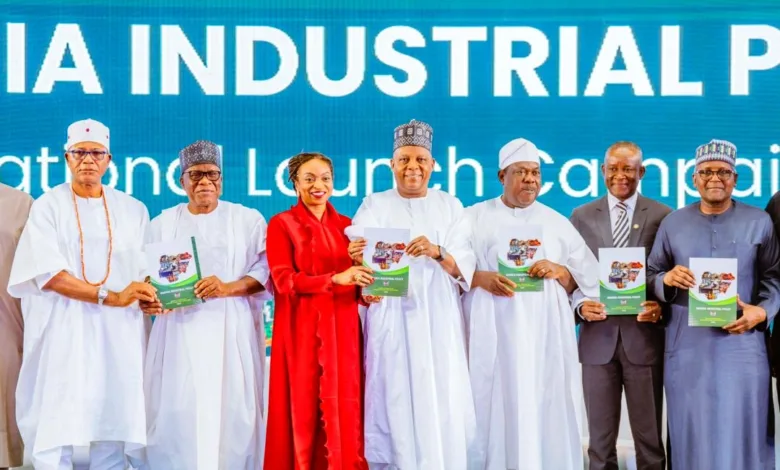
President Bola Tinubu on Tuesday officially unveiled the Nigeria Industrial Policy 2025, urging relevant ministries, departments, and agencies to ensure its swift execution. The policy is designed to transform Nigeria’s industrial base, enhance competitiveness, create jobs, and boost exports.
Speaking at the launch held at the Bola Tinubu International Conference Centre, the President, represented by Vice President Kashim Shettima, highlighted that past industrial efforts failed not because of policy design but due to poor execution. He emphasised that the success of the policy will be measured by the number of factories operating, jobs created, and exports leaving Nigerian ports.

“Industrialisation is not a wish; it is an action. It demands coherence across energy, trade, infrastructure, finance, skills, and innovation, and partnership between government and the private sector,” President Tinubu said.
The policy prioritises strategic sectors aligned with Nigeria’s competitive advantages, encourages value chain development to move from raw materials to finished goods, and integrates micro, small, and medium enterprises into industrial growth. It also focuses on aligning infrastructure and energy with industrial ambition, and strengthening skills, technology, and innovation to meet future industrial needs.





President Tinubu called for increased private sector participation, urging companies to invest responsibly, deepen local value chains, create jobs, and transfer skills while partnering with government to build a productive economy.
Commending the Minister of State for Industry, John Owan Enoh, and technical teams for their leadership and coordination, the President said the policy is grounded in practical experience and stakeholder input.
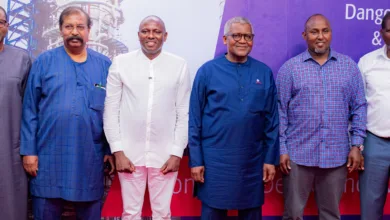
Business leaders also welcomed the policy. Alhaji Aliko Dangote praised the government’s initiative, noting that Nigeria’s private sector is the largest in Africa. He highlighted the importance of protecting indigenous industries to ensure sustainable industrial growth.
The United Nations Resident and Humanitarian Coordinator in Nigeria, Mohamed Malick Fall, described the policy as a critical step toward inclusive economic growth and regional competitiveness, developed in partnership with the United Nations Industrial Development Organization (UNIDO).