What if that ValueJet pilot had killed KWAM 1? By Azuh Arinze

First, let us thank God that she didn’t. Second, “Bobo no go die unless toba d’arugbo.”
Now, the story once again. On Tuesday, August 5, 2025, Fuji legend, Wasiu Ayinde (KWAM 1) wanted to board a ValueJet flight at Abuja’s Nnamdi Azikiwe International Airport. He had a gold flask whose contents were disputed – he claimed it held water, while flight staff suspected alcohol. When asked to verify the flask, KWAM 1 allegedly declined and emptied its contents on the pilot, crew, and ground personnel.
The pilot, Captain Oluranti Ogoyi, and her co-pilot, Ivan Oloba, as a result of the ugly incident, were suspended by NCAA for breaching safety protocols. KWAM 1 has also been placed on a six-month no-fly ban, while investigations are ongoing.
Now, imagine if, instead of eventually taxiing away, the pilot’s aircraft had struck KWAM 1 – leading to his death. Such an incident would have triggered immediate and intense repercussions.
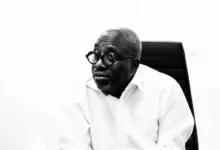

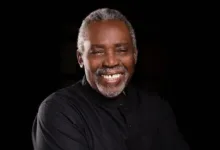

No. 1: The pilot would likely face criminal charges – possibly culpable homicide or manslaughter – for negligently operating an aircraft around a person on the tarmac .
A civil suit from KWAM 1’s family for wrongful death would almost certainly follow, likely resulting in substantial compensation.
No. 2: The NCAA and other regulators would launch a sweeping investigation, scrutinizing airport procedures, pilot training, and aircraft movement protocols on active tarmacs.
Airports across Nigeria (and potentially in Africa) would face stricter rules regarding how pilots receive clearance and how ground personnel supervise passenger movements.
No. 3: KWAM 1 is a cultural icon in Nigeria; his death in such circumstances would have ignited nationwide mourning, outrage, and calls for accountability.
The incident would have further dominated media and social discourse, putting aviation safety under the spotlight like never before.
Even though the scenario didn’t unfold, the close call reveals critical flaws in our ground safety protocols.
First, there should be strict enforcement of tarmac security. No passenger – regardless of status – should be allowed near moving aircraft without proper clearance and physical barriers.
Second, there should be safer communication channels. Pilots and ground crew need immediate, clear communication to halt or delay takeoff if a hazard is present on the tarmac – like we witnessed.
Third, there should be enhanced training and accountability. Regular drills simulating obstructions on the runway/taxiway can prepare pilots and crew to respond swiftly and safely next time.
Finally, while KWAM 1 was fortunate to walk away from an extremely dangerous situation, and has humbly apologized, the hypothetical of a fatal accident underscores the vital importance of adherence to safety protocols at every stage of flight operations. It’s a solemn reminder: airport safety measures aren’t just guidelines – they protect lives. Including those of celebrities like the Oluaye of Fuji and K1 de Ultimate.
- Arinze is the Publisher/Editor-in-Chief of YES INTERNATIONAL! Magazine and author of important books like The CEO’s Bible 1 and 2, Success Is Not Served A La Carte, Anything and Everything Journalism, Conversations With Showbiz Stars, Encounters: Lessons From My Journalism Career, My Story of Many Colours, etc