Beyond the barrel: Building Nigeria’s fiscal resilience, by Benjamin Ajayi
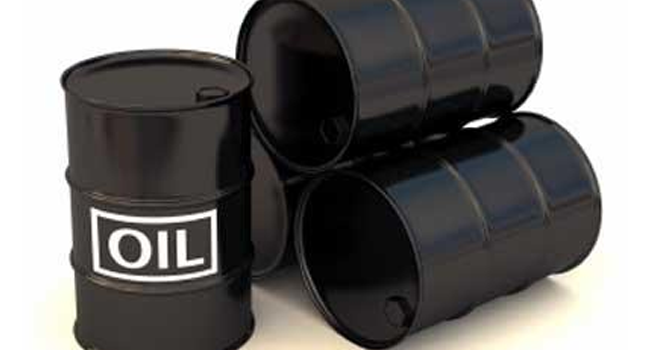
Nigeria’s oil story began in 1956 with the discovery at Oloibiri in present-day Bayelsa. Before then, the nation’s export earnings came mostly from cocoa, palm oil, and other agricultural produce. Over the late 1950s into the early 1970s, the oil boom accelerated crude exports and tilted Nigeria’s economy toward petroleum.
Today, oil still supplies a majority of export receipts, though that dominance is softening. In February 2025, data from the Central Bank showed non-oil revenue made up over 70 percent of federally collected income, marking a pivotal shift. Yet oil remains critical, not least for foreign exchange and budget assumptions.
Price volatility has become a permanent fixture in Nigeria’s fiscal estimation. Early in 2025, Brent crude traded around 80 dollars per barrel, and by October, the price had fallen to roughly 61 dollars. That swing, though less severe than earlier collapses, has disrupted government planning, debt burdens, and currency pressures. When oil prices slip, so do the margins governments can use to deliver public goods. When they rise, fiscal breathing room widens.
The 2025 budget was built on an assumed oil price of 75 dollars per barrel and a production target of 2.06 million barrels per day, including condensate. These benchmarks anchor revenue forecasts. But Nigeria’s actual output has consistently fallen short of projections, tightening fiscal space and forcing trade-offs across states and federal responsibilities.




The dependence on refined product imports continues to cost the economy dearly. In January 2025, Nigeria imported about 56 percent of its fuel requirements even as Dangote’s refinery begins to scale operations. Reduced import dependency would ease foreign exchange demand and stabilize the naira.
The country’s fiscal buffers have not been as strong as expected. The Excess Crude Account held only about 535,823 dollars as of August 2025—a sum too small to sustain significant countercyclical spending. The Sovereign Wealth Fund, though growing, remains modest against Nigeria’s ability to manage global oil swings.
Nigeria can learn from nations that have taken deliberate steps to insulate themselves from oil price fluctuations. Norway, for example, bases fiscal plans on long-term average oil prices and stress-tests budgets under low-price scenarios. This approach helps them avoid fiscal shocks and over-dependence on volatile oil revenues.
For Nigeria, building resilience means more than tightening belts. It requires extending investments beyond crude, particularly in natural gas, renewable energy projects, and non-oil exports to stabilize foreign exchange earnings. It should also include setting up a rules-based approach to savings in high-price periods and ensuring those reserves fund priority sectors when prices fall. Such mechanisms help smooth the “dry seasons” that come with oil price cycles.
Ultimately, fiscal stability is beyond numbers. It involves safeguarding livelihoods, ensuring steady funding for infrastructure, social programs, and salaries, and protecting citizens from external shocks. From street vendors and farmers to salaried workers, entrepreneurs, bankers, and corporate executives, Nigerians across all social classes feel the weight of rising costs and economic instability.
True fiscal stability is not just a technical exercise but a national imperative — protecting livelihoods, delivering power, funding education and healthcare, and cushioning citizens from external shocks. Nigeria’s fiscal goals will only be achieved when the economy is no longer tied to the next barrel price curve. Real progress lies not in the barrel but in the resolve and vision to build beyond it.