CAADP’s Kampala Declaration will drive the agriculture sector – Ogunbiyi
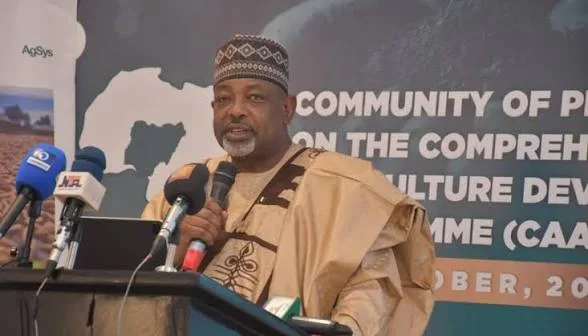
The Permanent Secretary of the Federal Ministry of Agriculture and Food Security (FMAFS), Marcus Olaniyi Ogunbiyi, has said that the Comprehensive Africa Agricultural Development Programme (CAADP) Kampala Declaration (2026–2035) will drive agro-industrialisation, value addition, and the development of resilient and sustainable food systems across Nigeria and Africa.
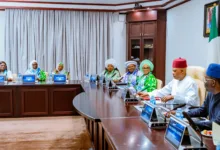
Ogunbiyi made the statement on Monday during the National Stakeholders’ Consultative Workshop on the Strategic Action Plan for the Implementation of the CAADP Kampala Declaration (2026–2035), held in Abuja.
According to him, the Kampala Declaration represents a renewed commitment by African Heads of State and Government to accelerate agricultural transformation, strengthen food systems, promote climate resilience, boost intra-African trade, empower women and youth, and improve livelihoods across the continent.
He explained that the declaration builds on the achievements and lessons of the Malabo Declaration while addressing emerging challenges such as climate change, global food supply disruptions, insecurity, and economic pressures affecting agricultural production systems.

“The implementation of the CAADP Kampala Declaration comes at a very critical moment in our national development journey. Agriculture remains central to economic diversification, employment generation, poverty reduction, industrial growth, and national stability,” Ogunbiyi said.
He added that, as Africa’s largest economy and one of the continent’s major agricultural producers, Nigeria has a responsibility to align continental agricultural goals with practical national strategies capable of delivering measurable outcomes for farmers and citizens.
The Permanent Secretary noted that the stakeholders’ workshop was designed to provide a platform for strategic engagement and consensus-building toward the development of a robust and implementable Strategic Action Plan for Nigeria.
He urged participants to ensure that the process remains inclusive, evidence-based, and result-oriented while reflecting Nigeria’s realities and development priorities.