El-Rufai, Uba Sani, and the misreading of political differences — by Kayode Adebiyi
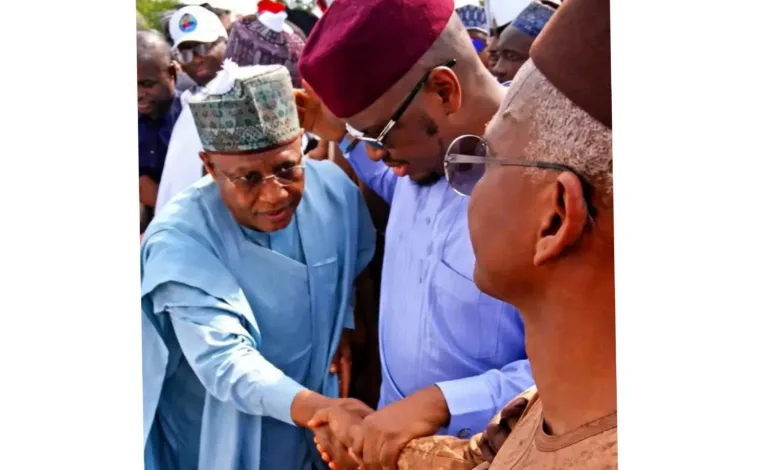
I think there is a fundamental disconnect in the way many Nigerians interpret political disagreements. Too often, people react emotionally and rush to public conclusions based on weak assumptions and speculation rather than facts or a proper understanding of how politics actually works.
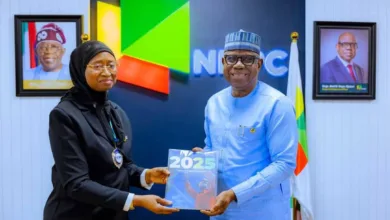
It is important to understand that political disagreement does not automatically translate into personal enmity. Unfortunately, many people blur that line. That is why I found it surprising, almost amusing, that some were shocked to see Nuhu Ribadu and Kaduna State Governor, Uba Sani, at the burial of Malam Nasir El-Rufai’s mother.
No matter how deep political differences may be, moments of grief demand humanity above all else. When someone loses a loved one, that is not a political event, it is a human one. In such moments, empathy, respect, and shared humanity should take precedence over partisan divides.
This is why it is baffling to see comments like, “What is Uba Sani doing there?” or claims that “it is not the right place for reconciliation.” Who said they were there for reconciliation in the first place?
A bereaved son lost his mother, and long-standing associates came to pay their last respects. It is basic decency to show up, offer condolences, and stand in solidarity during a time of mourning.
In Nigerian society, and indeed in most cultures, funerals are not arenas for political signaling. They are solemn gatherings where even rivals set aside differences out of respect for the dead and compassion for the living. Greeting the chief mourner, offering a handshake, and expressing sympathy are not political gestures, they are human obligations.
It is therefore misguided to jump to conclusions about “reconciliation” simply because individuals who may not currently align politically are seen together. Someone has passed away, this is a moment for reflection, not for spinning narratives.
We must also recognize that political relationships are often far more layered than the public assumes. Alliances shift, disagreements happen, but personal relationships, family ties, and long histories do not simply disappear.
For instance, Nuhu Ribadu’s daughter is married to Atiku Abubakar’s son, does that sound like two irreconcilable enemies? Similarly, Nigerian political history is full of alliances that cut across supposed divides.
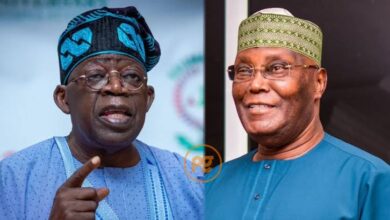
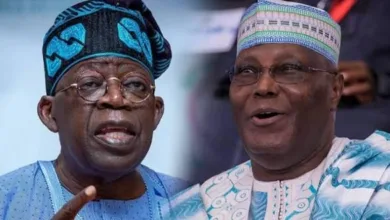
When Olusegun Obasanjo fell out with Atiku Abubakar, Atiku found political accommodation with Bola Ahmed Tinubu and even contested for the presidency under Tinubu’s AC platform at the time. Does that make them permanent enemies? Clearly not.
These examples highlight a simple truth, politics is dynamic, and disagreement is not the same as hostility. The tendency to frame every difference as a feud or every appearance as a calculated move only reflects a shallow understanding of political reality.
So, to be clear, Governor Uba Sani did not attend the burial of El-Rufai’s mother for “reconciliation.” He attended because it was the humane and respectful thing to do. That is what any decent person would do, regardless of political alignment.
We need to stop projecting imagined conflicts onto every situation and resist the urge to sensationalize solemn moments. Not everything is politics. Some moments call for empathy, dignity, and restraint, and this was one of them.