Lagos is not a “No Man’s Land” by Folorunso Adisa
Lagos a ‘no man’s land: memory, myth and the making of Eko
Say it in whispers if you must, but never declare it boldly in the presence of a true Lagosian: that Lagos is a “no man’s land.” The phrase, often tossed about in political squabbles and ethnic jabs, is not merely wrong, it is historically bankrupt.
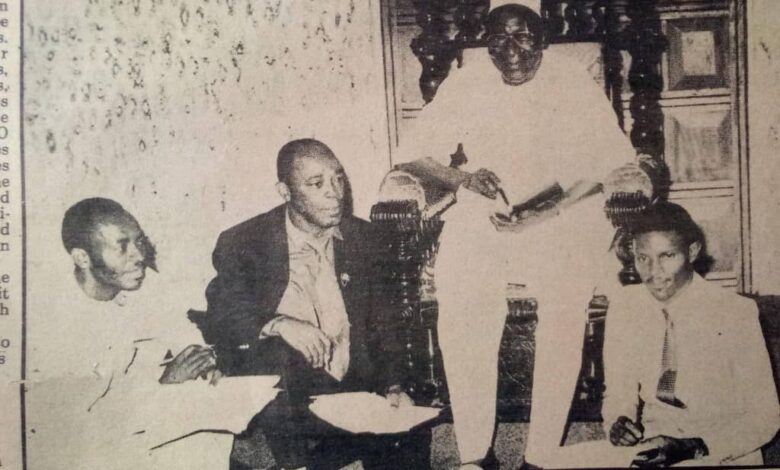
Oba Adeyinka Oyekan, the revered Oba of Lagos from 1965 to 2003, made this plain in 1990 when he granted a rare interview to the Headlines journal. Then aged 79 and marking his Silver Jubilee on the throne, the monarch dismissed the “no man’s land” narrative as “nonsense.” His response was not just a royal rebuke, it was a masterclass in cultural ownership.
“Lagos is not a ‘no man’s land.’ It belongs to some people, and they should be left alone to look after the place,” he declared, offering a pointed reminder that the soul of a city lies not in its skyscrapers but in its people.
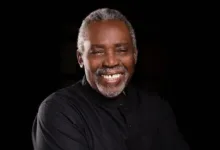

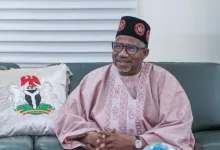
His memory of Lagos stretched back to when the name “Eko” was not just a word, but a living heritage. According to the monarch, the Binis (trading along the coast in the 17th century) had named the area “Eko,” from which the chant “Eko Akete, Aromisalegbelegbe” springs. A song of pride. A drumbeat of legacy. Even more telling was the Oba’s openness about Lagos’s plural heritage, some of his chiefs, he noted, were of Bini origin.
Sadly, Oba Oyekan lamented the shifting identity of the city. Too many, he said, came to Lagos to harvest fortunes, but not roots.
“Many people will claim Lagos in their early and middle ages, but when they are old, they return to their original bases,” he said, reflecting the dilemma of a city beloved yet borrowed. In 1997, seven years after that interview, Headlines returned to the question, this time through a deeper dive into the origin of Ikeja, the capital of Lagos State. The journey took us to the palace of the Olu of Ikeja, Oba Momodu Illo, Olalomo I, a traditional ruler of weight and wisdom. His chiefs were welcoming. His records were rich.
Ikeja, we learned, is not just an administrative centre, it is ancestral land. The earliest settlers were Aworis from Ota: Osoja, Amore, Maku, Afariogun, and Kusheri Moses. These were not just names. They were lineages. They were the living architecture of Eko. The name Ikeja itself, we discovered, derived from Akeja-Onirogun, a deity revered in Ota. Religion, migration, and memory intertwined in a tale older than colonisation.
By the mid-20th century, Ikeja had produced seven Baales, culminating in the coronation of Oba Momodu Illo in 1957, the very year Ikeja’s chieftaincy title was elevated to first-class status. And the villages, how many Lagosians know that what they now speed past as bus stops were once sovereign spaces of culture and kinship? Alausa. Oregun. Ogba. Agidingbi. Opebi. Ojodu. Onigbongbo. Idiroko. Yakoyo. Each a village. Each a voice in the chorus of Lagos.
Twenty-four such settlements gave Ikeja its pulse. These were not asphalt inventions but ancestral claims. Therefore, the next time someone says Lagos is a no man’s land, ask them:
Who was Baale Afariogun? Who were the original settlers of Ojodu? What deity gave Ikeja its name?
The will remain unsettling but it has to be told; Lagos has owners. Not in the selfish, exclusionary sense, but in the dignified, historical one. The people of Eko are not ghosts or myths. They are real. They have names. They have ancestors. They have stories written not in graffiti but in granite.
To deny that is not just ignorance, it is a theft of memory. And as the elders would say: “A tree without roots is firewood.” So is a city without history.