Political realities and economic hard truths: The 2027 landscape — by Femifoluwa Ladehl
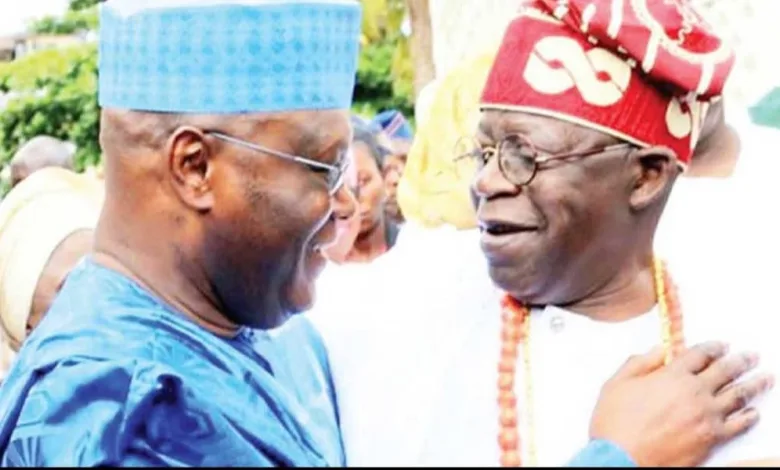
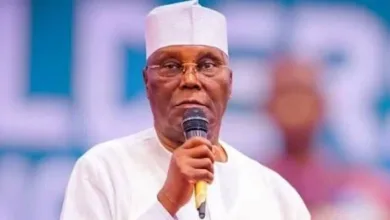
A quick one: Atiku Abubakar’s proposal to reintroduce fuel subsidies is nothing more than a political campaign gimmicknan unfeasible promise that cannot be implemented either partially or fully.
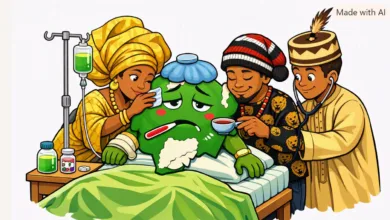
Subsidy removal is already the genie out of the lamp.
While citizens desperately need direct accountability and tangible benefits, the current administration under President Bola Ahmed Tinubu is already laying critical groundwork through mega-projects, NELFUND, tax breaks, consumer credit corporations, capital market policies and increased fiscal allocations to states.
The real challenge is for both federal and state governments to engineer more direct channels to reach vulnerable populations. Atiku’s maneuver is simply an attempt to regain political footing, nothing more. Even the northern elites are tired of him.
The 2027 presidential contest ultimately shapes up as a two-man race between President Tinubu and Atiku, with figures like Peter Obi capturing regional votes from diehards. Atiku’s idea to restore subsidies resonates with some voters; even if his policy claims are economically hollow and impractical, desperate populations are easily persuaded. Without this populist talking point, his campaign would truly lack life.
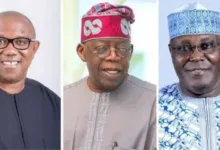
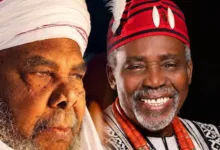
Meanwhile, Peter Obi continues to struggle with an insular “only me can understand me, defend my policies” approach a major liability in national politics. By making himself overly inflexible, he invites unnecessary vulnerability and frequent gaffes. To remain viable, Obi needed a long-term plan backed by political party stability, professional strategists, dedicated surrogates to handle pushback and a shift toward selective, high-impact public appearances things that are clearly too late to introduce now.
President Tinubu’s reforms have undeniably restored investor confidence, sparking visible economic rejuvenation even landmark milestones like Dangote Refinery operations and ongoing public interest continue to generate economic excitement. So, where does the disconnect lie?
Well, the most immediate beneficiaries have been major corporations enjoying monetary stability and pro-business policies.
Macroeconomically, this is vital for job creation and continental expansion. However, subsidy removal and the floating naira dealt an initial blow to Main Street, though recovery has been much faster than expected, aided by public service interventions and popular survival strategies.
Sizing up the opposition, Atiku seized a natural political opening; failing to do so would have been political malpractice, proving once again that he understands Nigerian realpolitik better than Obi. Yet history reminds us that Atiku is a textbook opportunist, a reality former President Obasanjo recognized long ago.
Had he won past elections, Atiku likely would have accelerated subsidy removal and privatized state assets to benefit cronies. Furthermore, the North holds no moral entitlement to the presidency in 2027 following eight consecutive years in power, and Atiku lacks Tinubu’s proven intellectual grit and reformist leadership.
Looking past partisan biases, which other Nigerian leader has shown the raw courage to pull the country back from the brink of becoming another Zimbabwe, Malawi or Argentina?
Yes, Tinubu’s communications team can do a better job of educating the public on the catastrophic inheritance they stepped into: systemic currency printing, collapsed industries and powerful elites profiting off forex arbitrage and fraudulent subsidy claims. The NOA is sleeping here.
But independent audits confirm that these painful reforms were unavoidable.
Now, to secure Main Street, Tinubu must unveil a targeted socioeconomic blueprint. Much of the savings from subsidy removal flowed directly to state governors many from opposition parties who have largely failed to channel those funds into public welfare.
The federal government must now bypass these bottlenecks by delivering benefits straight to citizens, such as enacting broad tax holidays for lower-income brackets.
Presenting this blueprint as a renewed social contract will directly answer the poverty question more frontally, solidify his reform agenda with sound policies, and pave the way for a well-deserved second term and a greater nation ahead.