Love in hiding: Nigerian man recounts brutal attack, state neglect over his sexuality
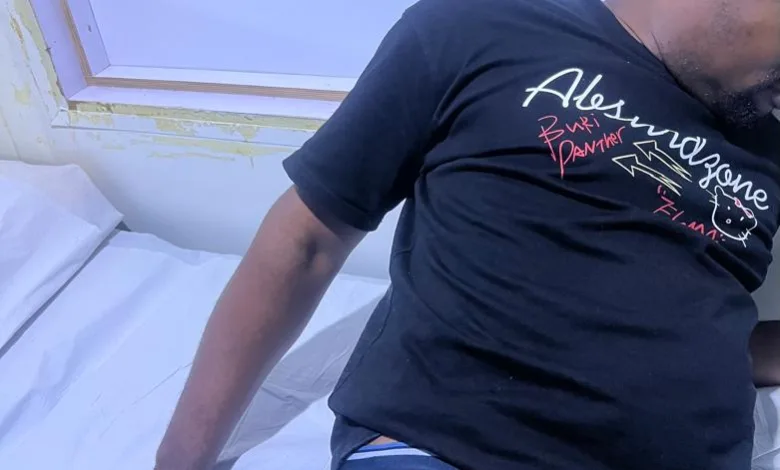
In the bustling streets of Lagos, where life hums with the rhythm of commerce and culture, a silent fear grips some of its residents — those whose only “crime” is loving differently. For 34-year-old Anoruo Chinomso, that fear became a brutal reality one September night when love turned to blood, and safety to terror.
“I am a homosexual man,” Chinomso said, his voice trembling as he recalled the moment his world shattered. “It’s who I am — not a choice, not a phase. But in Nigeria, being myself is a death sentence.”
According to our correspondent, for years, Chinomso and his partner, Ola Michael, lived in quiet secrecy. Their bond, though strong, was hidden behind drawn curtains and whispered conversations. The Same-Sex Marriage (Prohibition) Act (SSMPA) of 2014 — which punishes same-sex relationships with up to 14 years in prison — meant that love for them had to be lived in shadows.
“We avoided public affection, changed our routes to work, and kept our relationship from family and friends,” Chinomso said. “But rumors spread. People began to suspect. The insults came first — then the threats.”


That fragile layer of safety finally broke on September 8, 2025. It was observed that Chinomso and Ola were returning home when a group of young men, shouting slurs and accusations, ambushed them. “They said they were teaching us a lesson — that Lagos doesn’t want ‘people like us,’” he recounted, fighting tears.
The attackers were merciless. Ola was battered and left bleeding on the street. Chinomso sustained deep cuts to his arms and face. “I thought I would die that night,” he said softly. “I remember the sound of their laughter as they kicked us — like we weren’t human.”
It was discovered that neighbors and passersby rushed the bloodied pair to a nearby hospital. But the ordeal was far from over. When they reported the incident at the Panti Police Station, they hoped for justice. Instead, they met scorn.
“The officers mocked us,” Chinomso recalled. “One said, ‘You people are lucky we don’t arrest you right now.’ Another warned that if we didn’t leave quietly, we’d be charged under the SSMPA law.”
The experience, he said, stripped away any remaining belief in state protection. “How do you report a crime when the law itself makes you the criminal?”
Since then, Chinomso has lived in constant fear — watching, hiding, surviving. His partner Ola remains in Lagos, moving from place to place to avoid recognition. “He barely sleeps,” Chinomso said. “Every knock on the door feels like a death threat.”
Human rights organizations have repeatedly condemned Nigeria’s harsh laws against LGBTQ+ individuals, calling them “a license for persecution.” Yet, across the country, cases like Chinomso’s rarely make headlines. Many victims remain silent, fearing further exposure or arrest.
For Chinomso, silence is no longer an option. “I just want to live freely,” he said. “To love without fear. To exist without hiding.”
As he spoke, his eyes dimmed with exhaustion but flickered with defiance. “Nigeria is my home,” he said quietly. “But my home doesn’t want me. My only hope now is to find a place where I can be myself — and live without looking over my shoulder.”
His story is a haunting reminder that for many, love in Nigeria remains a dangerous act of resistance — one that can cost not only freedom, but life itself.