The Oke Ooye revival and Apostle Ayo Babalola’s connection, by Tunde Olaoye
‘The child is the father of the man’ was one of the most confusing statements I saw my literature teacher wrote on the Blackboard in 1996. The line is from William Wordsworth’s 1802 poem, “My Heart Leaps Up” and its interpretation is that it is our childhood experiences that shape our outcomes as adults .
However, there have been cases where literally, the Child appears to be the Father of the Man; a 22 year old Reverend Father is the Father of an 88 year old parishioner in a Catholic setting, and in other Churches could be Elder, Daddy, Papa etc. Just like a Yorùbá aphorism says “Ìgbàgbọ Oke Oòyè tíí mú nií pé ẹgbẹ́ ọmọ ẹni l’álàgbà” ( The Christianity of Oke Oòyè that makes one refer to a much younger person as an Elder).
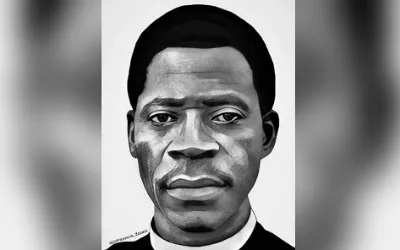
Oke Oòyè is an area in Iléṣà, Ọṣun State, Nigeria where Nigerian Christianity experienced a significant renaissance which departs majorly from the regular Catholic and Protestant Christianity brought by the missionaries and colonialists. In the year 1930 at Oke Oòyè, there was a renewal reawakening, symbolic revival of Apostolic manifestation and Pentecostalism from the Aladura movement. Healing ministry, divine presence, raw miracles were experienced and this completely changed the landscape of Nigerian Christianity. It is worthy to note that the Aladura group that came out from St Saviour’s Anglican Church Ijebu-Ode had earlier recorded the power of the miraculous with their fervent prayers and miraculous healing of patients of the global pandemic of 1918 called Influenza. The Aladura movement also had a great influence in the spiritual development of Apostle Joseph Ayọ Babalọla, the man that God used for the great Oke Oòyè revival, there has never been such in Nigeria before then. When you hear the song “Ọlọrun 1930” ( the God of 1930), it is referencing the Oke Oòyè revival of July 1930 where dead was raised, sick healed and people spoke in strange tongues, it was the upper room repeated live and direct, there wasn’t any pyrotechnics or melismatic keyboard scales to draw people to the crusade of Oke Oòyè, it wasn’t planned , no planning committee, no guest artist, no arangee miracle, no seed sowing in exchange for solutions, it was a pure divine movement.
After the great revival of Oke Oòyè, Iléṣà never remained the same, it witnessed influx of people from all over the world, bookshops ran out of Bibles and commercial transportations became fully occupied. The Aladura group grew in leaps and bounds, other church missions and religions in Iléṣà depleted in numbers as people now follow the new Aladura movement where Babalọla is now a key figure. The leaders of this movement were called Elders by the congregants, this made some very conservative Yorùbá people around wonder why an 80 year old would be calling a 21 year old “Elder”. Hence, the old aphorism ” Ìgbàgbọ Òkè Oòyè tí mú nií pe ẹgbẹ́ ọmọ ẹni l’álàgbà” (The Christianity of Oke Oòyè that makes one refer to a much younger person as an Elder).



-Olaoye is a filmmaker and culture advocate