Tinubu tasks Afreximbank to mobilise resources for Africa’s industrialisation
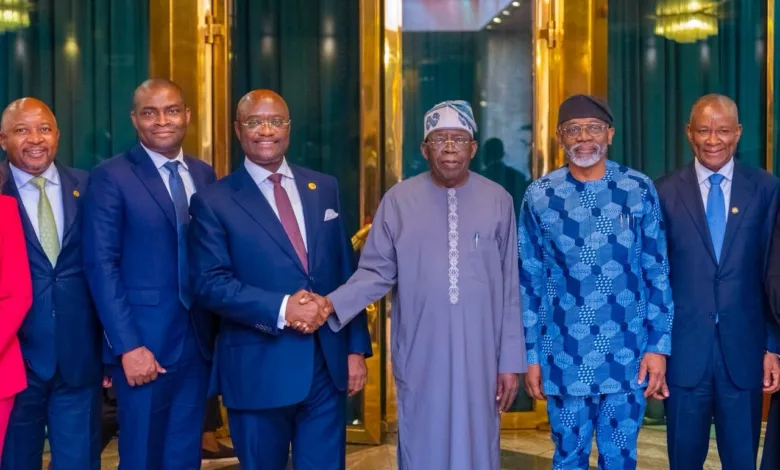
President Bola Tinubu on Tuesday urged the African Export-Import Bank (Afreximbank) to intensify efforts to mobilise Africa’s human, financial and natural resources to accelerate industrialisation and drive economic development across the continent.
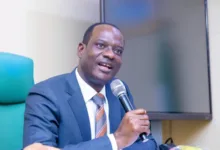
Speaking while receiving a delegation from Afreximbank, led by its President and Chairman of the Board, Dr George Elombi, at the State House in Abuja, Tinubu said Africa must move beyond discussions on development and focus on practical steps that promote industrial growth, expand trade, create jobs and improve living standards.
“The time has come for us to start doing things together as Africans,” the President said, stressing that Africa has the resources needed to build a strong industrial base.
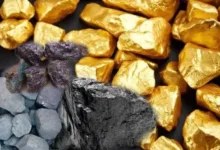
He said the continent should end the practice of exporting raw materials without value addition, urging Afreximbank to provide investment guarantees to support the processing of strategic minerals such as lithium for battery production and other manufacturing activities.
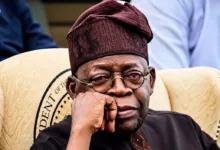
Tinubu also defended his administration’s economic reforms, including the removal of the fuel subsidy and the unification of the foreign exchange market, describing them as necessary measures to curb corruption and stabilise the economy.
On agriculture, the President said the creation of the Federal Ministry of Livestock Development was aimed at transforming the long-running farmer-herder conflict into an economic opportunity through investments in the livestock value chain.
He also called on Afreximbank to strengthen collaboration with the Bank of Agriculture by investing more in agricultural value chains, including cocoa, palm kernel and palm oil production, to boost local processing and exports.
The Minister of State for Industry, Sen. John Owan Enoh, said the administration’s economic diversification agenda was laying the foundation for sustainable growth through investments in solid minerals, oil and gas, manufacturing, agriculture, the digital economy and value-added exports.