Tinubu’s reform revolution: How PBAT is redefining Nigeria’s economic trajectory — by Yusuf Ali
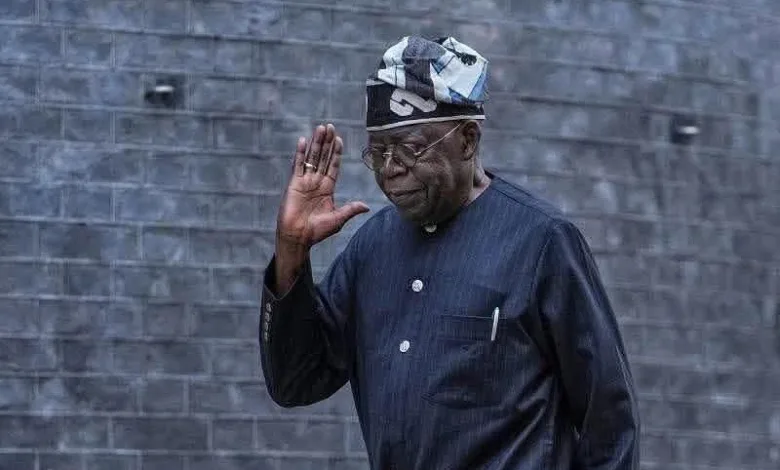
President Bola Ahmed Tinubu has, within a short period in office, ignited one of the most consequential reform waves in Nigeria’s democratic history. While debates continue across political and public spheres, a development-focused assessment reveals a presidency anchored on bold structural reforms, fiscal rebuilding, and long-term economic repositioning—arguably setting it apart from previous administrations.
A New Era of Difficult but Necessary Decisions
At the heart of Tinubu’s governance strategy lies a willingness to confront long-avoided economic realities. The removal of fuel subsidy—long regarded as a fiscal black hole—and the unification of exchange rates marked a decisive break from past practices. These reforms, though politically sensitive, have freed up trillions of naira previously lost to inefficiencies and opaque systems.
In contrast, former President Muhammadu Buhari largely retained the subsidy regime, compounding fiscal pressures over time. Even earlier, under Olusegun Obasanjo, reforms were pursued, but without confronting the full scale of politically risky measures now undertaken.

Rebuilding Nigeria’s Fiscal Foundation
The Tinubu administration has recorded significant strides in revenue generation and fiscal discipline. Non-oil revenues have surged to record levels, while allocations to states have increased substantially—enhancing subnational capacity to meet obligations and invest in development.
Equally notable is the improvement in Nigeria’s debt profile. The debt service-to-revenue ratio has declined sharply, and the fiscal deficit has narrowed, signaling a more sustainable financial trajectory. Compared to previous administrations, where debt servicing consumed a disproportionate share of revenues, the current approach reflects a deliberate effort to restore fiscal balance.
Growth, Stability, and Economic Confidence
Nigeria’s economic indicators are gradually aligning with reform expectations. GDP growth has rebounded to over 4 percent, marking one of the strongest performances in recent years. Trade balances have improved, external reserves strengthened, and investor confidence is showing signs of recovery.
Under Goodluck Jonathan, Nigeria experienced moderate growth, but structural vulnerabilities persisted. The Buhari era, meanwhile, was characterized by slower growth and recessionary pressures. Tinubu’s reforms aim to transition the economy from consumption-driven patterns to a more resilient, productivity-led model.
Empowering States and Expanding Capacity
A major outcome of increased revenues is the strengthening of both federal and state capacities. With higher FAAC allocations, states now have greater fiscal space to pay salaries, execute projects, and reduce dependence on federal bailouts—a recurring feature of past administrations.
This shift represents a more balanced fiscal federation, where subnational governments are better equipped to drive grassroots development.
Restoring Investor Confidence and External Stability
The administration’s efforts to clear foreign exchange backlogs and stabilize the currency market have begun to restore investor trust. Improved liquidity, rising reserves, and renewed foreign direct investment flows suggest a more predictable and transparent economic environment.
Previous administrations grappled with persistent FX shortages, capital flight, and investor uncertainty. Tinubu’s interventions seek to reverse that trend and reposition Nigeria as a competitive investment destination.
Driving Diversification Beyond Oil
Perhaps one of the most significant long-term shifts is the growing contribution of the non-oil sector. Non-oil exports are rising steadily, manufacturing output is expanding, and tax revenues outside the oil sector are reaching new highs.
For decades, Nigeria’s economic fortunes were tied almost exclusively to crude oil. The current trajectory indicates a gradual but important diversification—one that could define Nigeria’s economic resilience in the years ahead.
A Defining Presidency in the Making
While challenges remain—particularly the immediate social impact of reforms—the Tinubu administration’s emphasis on structural correction and economic sustainability marks a clear departure from the past.
If sustained, these policies could reshape Nigeria’s economic architecture and place the country on a firmer path toward long-term prosperity. The emerging argument among supporters is not merely that Tinubu is governing—but that he is fundamentally redefining the rules of economic management in Nigeria’s democratic era.
Yusuf Ali
Media Aide to Governor Mai Mala Buni CON