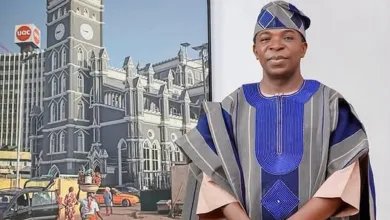
Buhari deserves respect, not Omatseye’s poisoned pen, by Olalekan Adigun
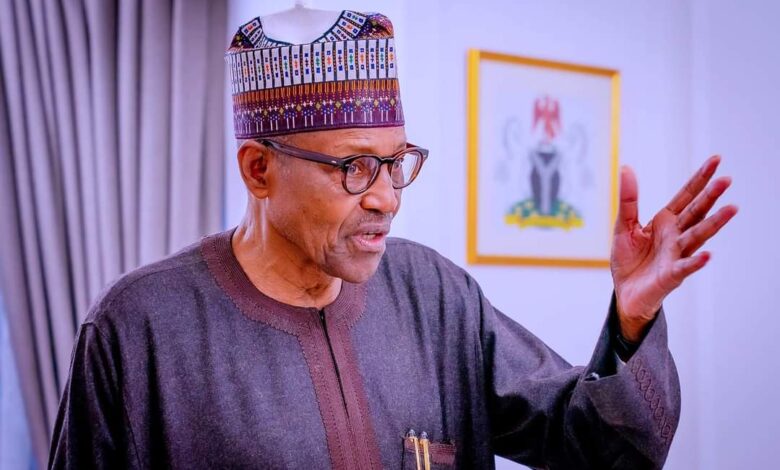
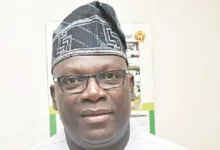
I read Sam Omatseye’s Monday column and could only shake my head in disbelief. What else, if not a fit of uncontrolled madness, could compel a man to launch such a vitriolic attack on the dead barely 24 hours after their passing? At 64, and as Chairman of the Editorial Board of The Nation newspaper, one would expect Omatseye to understand the dignity owed to the departed—especially a former President like Muhammadu Buhari. But instead, he chose to dance on Buhari’s grave before the dust had even settled.
Let’s be clear: the death of a national leader—no matter how polarising—should be a moment of sober reflection, not a window for settling old scores or spewing venom.
It is therefore deeply troubling that Omatseye, writing in The Nation—a paper owned by President Bola Tinubu—used the very next day after Buhari’s passing to publish a blistering, personal takedown under the title Anticlimax. Even by the rough-and-tumble standards of political commentary, his timing was shameful.
The article reeked not of honest critique, but of long-nursed resentment. It was less journalism than a bitter vendetta wrapped in the cloak of analysis—tone-deaf, graceless, and unworthy of the moment.

A conveniently timed character assassination
Buhari died quietly in London on Sunday, July 13, and by Monday morning, Omatseye had published a scathing obituary-disguised-as-analysis, taking gleeful jabs at every aspect of the former President’s life and leadership — from military to civilian rule. This was not a considered reflection but a political assassination carried out with the ink still wet on the death certificate.
If Omatseye had held these convictions for so long, why wait until the man could no longer respond before spewing them with such theatrical flair? Why didn’t he write Anticlimax while Buhari was alive and in a position to defend himself?
His silence all these years, followed by such an aggressive posthumous takedown, undermines the credibility of his critique. It raises the question: was it courage or cowardice?
The Tinubu connection — A miscalculation with strategic consequences
Omatseye’s role as Editorial Board Chairman of The Nation, a newspaper owned by President Bola Tinubu, adds an even more troubling layer to the matter. Whether intended or not, his article will be read — especially in the strategic North — as an attack sanctioned, or at least tolerated, by Tinubu’s political establishment.
This is politically reckless.
Northern Nigeria was the bedrock of Buhari’s electoral success and remains a crucial bloc in Nigerian politics. Whatever the grievances within elite circles, millions of northerners still view Buhari with affection, not because he was perfect, but because he symbolised their voice and aspirations.
To allow a top editorial figure linked to Tinubu to pour scorn on Buhari’s legacy just one day after his passing is a public relations disaster — one that could deepen mistrust and further isolate the President in the North ahead of the 2027 elections.
Already, many in the region feel betrayed by what they perceive as Tinubu’s abandonment of the Buhari legacy. Omatseye’s article only adds fuel to that fire, confirming suspicions that some elements in the current administration are eager to rewrite history by trashing their predecessor.
A dangerous precedent
Even the most critical historians allow some time to pass before issuing final verdicts on the lives of public figures. In Omatseye’s case, the haste — and venom — with which he penned Anticlimax suggests it was not about truth, but about score-settling.
Buhari’s presidency, like all others, was flawed. There is room for critique — economic, political, and moral. But there is a time and a tone for everything. What Omatseye delivered was neither noble nor necessary. It was personal, petty, and poorly timed.
He wrote that Buhari “loved himself too much to love Nigeria enough.” But if we are to speak of love, what does it say of a man who cannot withhold his disdain even for a moment to allow a nation to mourn?
Let history judge Buhari — in its own time and with the benefit of hindsight. But let journalists like Sam Omatseye be reminded: critique is not cruelty. Commentary is not a license for contempt. And political differences should never blind us to the basic humanity we owe the dead.
In the end, it wasn’t Buhari that suffered from Omatseye’s Anticlimax — it was the dignity of public discourse and, perhaps inadvertently, the political fortunes of the very man who owns the platform from which he wrote.
–Adigun is a researcher and journalist based in Abuja