EXCLUSIVE: How fake presidential agency allegedly used budget code to gain legitimacy
By Raphael Jackson –
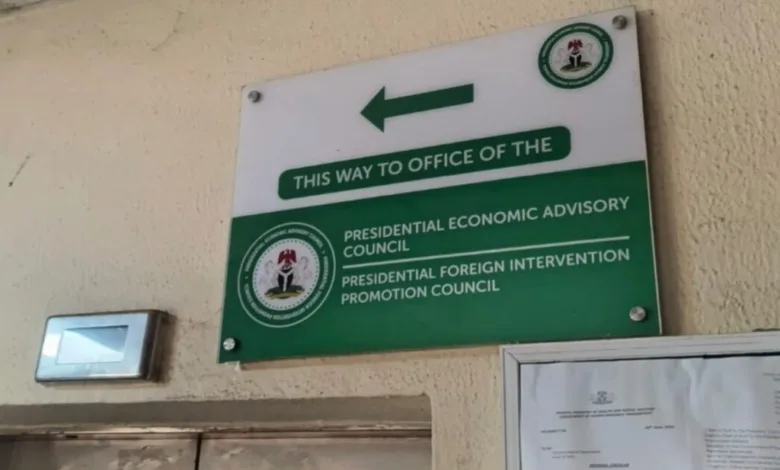
Fresh details have emerged on how the alleged mastermind of the controversial Presidential Foreign Intervention Promotion Council (PFIPC), Adeniyi Adeyemi, allegedly used a budget code to give the non-existent agency an appearance of legitimacy within the Federal Government.
A source familiar with the ongoing investigation told Western Post that the budget code was central to the alleged scheme, helping the council present itself as a recognised government institution despite having no legal backing.
According to the source, the budget code was linked to a loophole involving the Economic Advisory Council (EAC), an advisory body established during the administration of former President Muhammadu Buhari.




“The budget code gave the impression that the agency was genuine. That was one of the major things that made the operation look legitimate,” the source said.
The source added that the same budget code allegedly enabled the organisation to secure office space at the Federal Secretariat in Abuja, even though office allocation ordinarily begins with approval from the Office of the Head of the Civil Service of the Federation before being forwarded to the Office of the Secretary to the Government of the Federation (SGF) for final allocation.
According to the source, investigators are trying to establish how the PFIPC allegedly bypassed those procedures and operated from government premises without official recognition.
The source also disclosed that an earlier police investigation reportedly found that the group had broken into an office belonging to the Economic Advisory Council during the early stages of its operations.
On reports that the PFIPC operated with about 300 staff members, the source clarified that although the organisation sought approval to recruit that number, the request was never granted.
“Only about 14 persons actually ran the operations of the agency. The request to employ 300 people was never approved,” the source added.
A second source familiar with the matter said the controversy extends beyond the alleged actions of Adeyemi and has exposed serious institutional weaknesses in government processes.
According to the second source, investigators are examining how an agency with no legal backing allegedly found its way into the 2026 Appropriation Act with an allocation of about ₦1.3 billion, secured office space within the Federal Secretariat and reportedly operated bank accounts while presenting itself as a government agency.
“This is no longer just about one individual. The bigger issue is how a non-existent agency allegedly got into the national budget, occupied government office space and functioned within the system for such a long time. Those are the institutional failures investigators are now trying to unravel,” the source said.
The second source said preliminary findings suggest the budget allocation may have entered the appropriation process without the usual scrutiny and defence before the relevant committees, raising fresh questions about the integrity of Nigeria’s budget process.
The source further noted that investigators are also looking into how forged appointment documents were allegedly accepted without proper verification, enabling the organisation to operate openly from the Federal Secretariat.
Attention is equally being focused on reports that the alleged fake agency operated multiple bank accounts, including accounts reportedly linked to the Central Bank of Nigeria, a development that has raised questions about compliance with Know Your Customer (KYC) requirements and other financial verification procedures.
According to the second source, investigators believe the controversy has exposed vulnerabilities in three critical areas of government administration — budget scrutiny, appointment verification and banking due diligence — with recommendations for reforms expected after the probe.
President Bola Tinubu has ordered a full investigation into the PFIPC controversy, directing security and anti-corruption agencies to determine how the alleged fake agency obtained a budget code, appeared in the national budget, secured office accommodation and operated within the Federal Secretariat despite lacking legal recognition.