From Detty December to a $4 billion industry: How Ghana built a year-round tourism powerhouse, by Chioma Ahaghotu
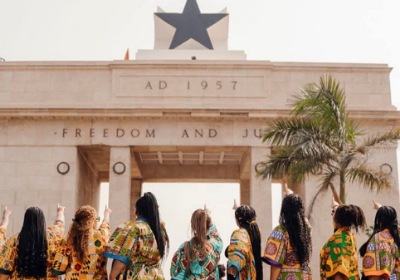
Ghana’s rise as a $4 billion + vacation destination is no accident. In 2024 alone, the country welcomed over 1.2 million international visitors and generated its highest tourism revenue in history.
What began as the buzz of “Detty December” , a month of high-energy concerts, beach festivals, art shows, and cultural events , has evolved into a year-round tourism engine.
Visitors aren’t just coming for a weekend party; they’re staying for an average of three weeks and spending hundreds of dollars per day.
The secret lies in how Ghana has layered entertainment on top of deliberate policy and investment.



The government understood early on that festivals alone don’t build a tourism economy , infrastructure, branding, and safety do.
Since the “Year of Return” in 2019, Ghana has rolled out initiatives to welcome the African diaspora home, from simplified visa processes to granting citizenship and launching diaspora investment platforms.
Major heritage sites have been restored, modern hotels and resorts developed, and domestic tourism promoted to keep sites active outside the December rush.
Public-private partnerships have expanded certified tourism businesses, upgraded airports, and improved service quality.
Equally important is Ghana’s embrace of cultural diplomacy.
African Americans and other diaspora visitors are not just treated as tourists , they are seen as partners in preserving heritage and building the future.
The country has positioned itself as a safe, warm, and culturally rich destination that offers both connection to history and access to modern leisure.
That mix has drawn not just party seekers but high-spending travelers, investors, and even returnees who now see Ghana as a second home.
Nigeria, by contrast, has all the raw ingredients for a thriving tourism culture , diverse landscapes, world-class music, historic sites, vibrant cities but lacks the glue that holds a tourism economy together.
Poor infrastructure, underdeveloped attractions, fragmented marketing, and persistent security concerns have kept it from truly competing.
Even where events like “Detty December” (Nigeria’s take on the festive season) draw crowds, they remain seasonal bursts of activity with little follow-through to encourage repeat visits or long-term investment.
Tourism is not built on vibes alone.
Ghana’s success shows that you need deliberate planning, inclusive policies, and sustained investment to turn cultural moments into economic pillars.
Safety, infrastructure, branding, and diaspora engagement are not afterthoughts , they are the foundation. Without them, a country risks being a one-month wonder instead of a year-round destination.
Ghana has proven that African countries can compete on the world tourism stage, not by mimicking others, but by amplifying their own heritage and welcoming the world to experience it. Nigeria could do the same , but only if it stops relying on December hype and starts building a tourism culture that thrives in every season.