From Yokohama to Rio: How Tinubu’s global engagements are shaping Nigeria’s future, by Tayo Mabeweje
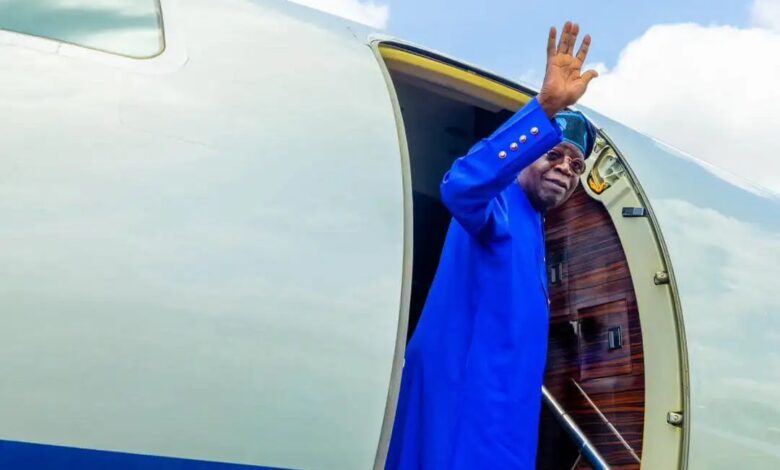
President Bola Ahmed Tinubu, GCFR, has in recent months emerged as both architect and builder of a new foundation for Nigeria’s economic revival. With purposeful strides that carried him across oceans and continents, from the bustling corridors of Yokohama in Japan to the vibrant avenues of Rio de Janeiro in Brazil, he has woven Nigeria’s story into the larger tapestry of global progress. These journeys were not mere voyages of courtesy; they were pilgrimages of economic renewal, designed to plant seeds of opportunity in fertile ground so that future generations of Nigerians might harvest prosperity.
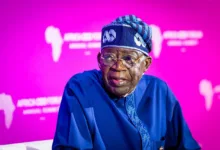
In Yokohama, under the bright lights of the Tokyo International Conference on African Development, President Tinubu did not arrive as a spectator but as a voice of conviction, carrying the aspirations of over two hundred million citizens. Japan, a nation renowned for transforming its scars of adversity into towering symbols of innovation and resilience, opened its doors to Nigeria’s vision. Through carefully structured dialogues, President Tinubu secured pathways for Nigeria to tap into billions of dollars in development financing and technology partnerships. More than money, however, was the gift of knowledge—the promise to train African youths, including Nigerians, in artificial intelligence and advanced skills. That is not just an agreement on paper; it is the quiet forging of a new generation who will hold the keys to tomorrow’s digital economy. In the corridors of Japan’s precision and discipline, Nigeria found a partner to help shape minds that will build smart industries, efficient governments, and thriving enterprises at home.
From Asia’s disciplined order, the President journeyed to the spirited rhythms of South America, where Brazil welcomed him not as a guest, but as a brother in the shared struggle for growth and justice among nations of the Global South. Brazil, with its vast farmlands and industrial might, has long been a mirror in which Nigeria sees both challenges and possibilities. The President’s visit was a renewal of vows, deepening the $1 billion cooperation agreement signed earlier, a pact that carries within it the power to transform Nigeria’s fields from subsistence farms into breadbaskets of abundance. With mechanised farming equipment, service hubs, and training centres, farmers in dusty villages and green valleys alike will soon feel the pulse of progress in their hands. Every hectare cultivated, every harvest gathered, will whisper of the bridges built between Abuja and Brasília.
But this pact was not about agriculture alone. It spread its wings into energy, manufacturing, and defence—a broad canvas on which Nigeria’s future can be painted with bold colours of self-reliance and strength. If fulfilled, it means more reliable power for our industries, reduced dependence on costly imports, and greater opportunities for Nigerians to work, to earn, and to live with dignity. It means children learning under classrooms lit by steady electricity, factories humming again with productivity, and communities finding pride in food they produce, not food they beg to import.
The symbolism of these journeys is as important as their substance. In travelling east and west, Tinubu is writing a new geography of Nigeria’s destiny, one that does not confine us to the margins of global trade but places us squarely in the crossroads of opportunity. He is declaring that Nigeria will not be a silent observer in the symphony of nations but a leading instrument, contributing notes of resilience, innovation, and enterprise. Each handshake he extended, each agreement he endorsed, is not a stroke of protocol—it is a brick in the rising edifice of national renewal.
Critics may speak of costs and frequencies, but history will record dividends and destinies. Great nations are not built by leaders who sit still in palaces while the world forges ahead; they are built by visionaries who travel the long roads, endure the restless skies, and negotiate in foreign halls so that their people might live better lives. In this sense, Tinubu’s journeys are not the wanderings of a traveller—they are the march of a statesman carrying Nigeria’s banner across the globe, determined that her citizens will not be left behind in the great race of human advancement.
From Yokohama to Rio, from the order of the East to the vibrancy of the South, President Tinubu has proven that diplomacy can be an engine, not an ornament. He has shown that leadership is not measured in the miles travelled but in the lives transformed by the fruits of those travels. And as Nigeria prepares to reap the harvest of these engagements—in agriculture, energy, technology, and human capacity—the hope of a stronger, more prosperous nation begins to glimmer ever brighter on the horizon.
President Tinubu has planted the seeds. The soil of Nigeria is rich. With careful nurturing, those seeds will grow into forests of opportunity, rivers of enterprise, and fields of abundance, where every Nigerian can find shade, sustenance, and pride. From Yokohama to Rio, the journey is only the beginning, but the promise is already clear: the dawn of a new Nigeria is on its way.