Lagos faces 22,000 annual building permit deficit – Commissioner
By Adeola Ogunrinde –
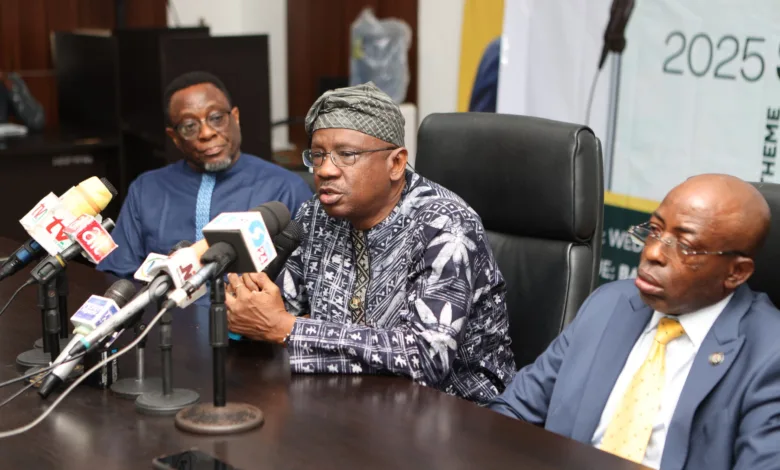
The Lagos State Government has raised concerns over a significant shortfall in building permit approvals, revealing an annual deficit of 22,000. Commissioner for Physical Planning and Urban Development, Dr. Olumide Oluyinka, made this known during a press briefing in Alausa, Ikeja, on Wednesday.
According to Oluyinka, the state recorded only 12,000 approvals in 2024, despite projections indicating that Lagos should be processing between 40,000 and 45,000 annually, in line with its population growth and urban development. To address this, the government has embarked on a week-long stakeholders’ engagement, ending on Friday, 26th September, 2025.
He warned that any building without a valid planning permit is at risk of demolition, emphasizing that the campaign aims to educate the public—particularly residents in rural communities—on the necessity of obtaining proper documentation before construction.




“We’ve had sessions with children, press briefings, and stakeholder meetings involving professionals in the built environment—town planners, architects, engineers, surveyors, builders, and estate developers,” he said. “We’re sitting down to examine the challenges and close the awareness gap, especially among market women and informal developers.”
Oluyinka likened the planning permit to a birth certificate for buildings, stating, “Just like a child is named and given a birth certificate at birth, every building should have a planning permit. It helps government track development and plan physical infrastructure effectively.”
He stressed the importance of grassroots engagement, noting that today’s children are the leaders and developers of tomorrow. “We want them to understand the importance of this process early, as they will be part of future development activities,” he added.
The Commissioner also emphasized that the law mandates every building in Lagos to have a planning permit. Without it, structures are considered unauthorized and may not be accounted for in future development plans like road expansions or other public infrastructure.
“Infrastructure development requires accurate data,” Oluyinka said. “Without a permit, a building is invisible to the government. That’s why we’re pushing for greater public cooperation through this campaign—it’s about order, safety, and sustainable urban growth.”