NEWS ANALYSIS: The ADC conundrum — by Chris Adetayo
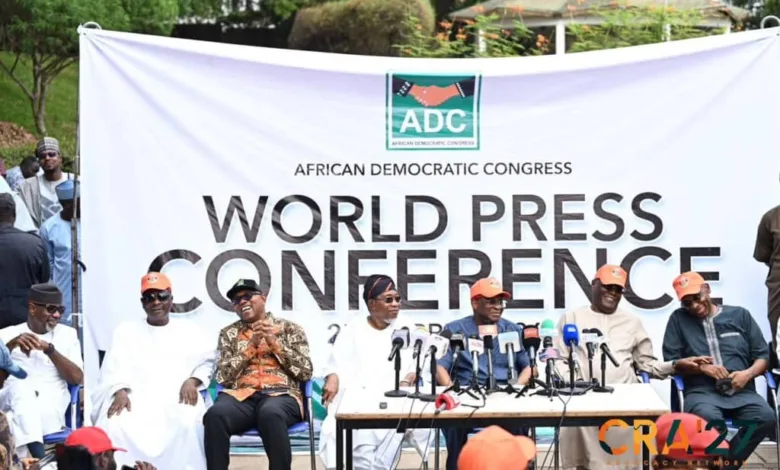
First, we need a vibrant and engaged opposition. It doesn’t matter who makes up the opposition – former friends, former enemies, court jesters, technocrats, professional politicians etc etc. Without opposition, we do not have a democracy. Any effort designed to hinder this not only goes against every tenet of democracy but is anti national progress.
Second, we need our democracy to be guided by laws and an independent judiciary to interpret same. It doesn’t matter who is at the receiving end, we must abide by the laws and decisions of our courts.
Now, on this ADC and INEC matter, it increasingly seems like the leaders of ADC (the coalition party) goofed and played into the arms of their enemies (ie APC). The more the facts are put out in the open, the more it is difficult to not censure the coalition leaders.
To start, why did they not float a new party? 2025 was 2 years to the next elections. Enough time to float a new party, build from ground up and gain political equity. With the calibre of the people in the coalition, getting media coverage and leverage will be a piece of cake. More importantly, they would have escaped any legal pitfalls and the baggage associated with any existing party. Not doing so was a fundamental error of judgement.




Having decided to “take over” an existing party, surely they should have ensured thorough due diligence. I am sure they did some. But clearly not good enough. For if a whole Executive is resigning, that should have included the Deputy National Chairman. That didn’t seem to happen. Now if he had resigned as far back as May (2 months before the take over), why was his resignation not made known to 1) members and 2) INEC – until August? Why was the notification of resignation signed by a Chairman that had apparently resigned a month earlier?
It seems easy, in the light of available information, to blame INEC. For INEC’s decision to recognise no Executive seems to put the major opposition in legal limbo. Yet what the regulator has done is no more than what the law requires it to do. It is not its fault if the politicians cannot put their own house in order. Given the nature of the court order, INEC has simply gone for the lowest common denominator – which is to recognise no one until the matter is resolved in the courts. To declare this decision, “taking sides”, seems to me a bit unfair.
Now the big elephant in the room. The APC’s role. Of course it is not difficult to see that the party is the hidden drummer behind the dance steps, not of INEC, but of Nafiu Bala Gombe, the Deputy National Chairman of ADC who has denied resigning. They found a chink in the amour of the ADC and are using it to throw spammers in the opposition’s well laid out plans. I can’t blame them – it is not the business of APC to help the opposition.
But it is in times like this that Statesmanship must guide the actions of leaders. While President Tinubu will love a walkover elections next year, he must prioritise national interest above his and his party’s interest. It is not in Nigeria’s interest to not have an opposition party worth the name. It must not happen under his watch.
Also, with due respect to the President’s Spokesman, it is not his business to be interpreting INEC’s decisions about “status quo ante bellum”. The court case does not involve the President. So leave engagements to the APC’s media team. To continue to engage from that level makes it even personal to the President – and that is a disservice to the man.
Ultimately, we need a quick court decision on the matter. Hopefully we get one by the middle of April, so everyone in ADC can know where they stand and necessary calibrations can be made to get the party ready for the elections ahead.