Nigeria’s 2026 budget: From repair to results? By Aderemi Ogunpitan
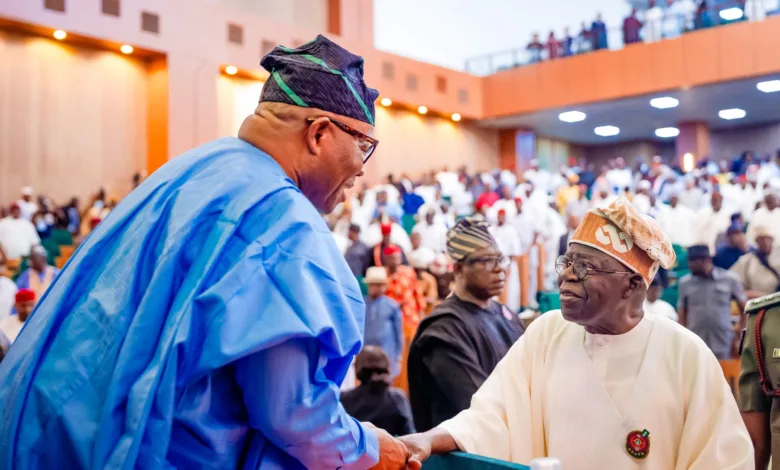
President Bola Ahmed Tinubu’s 2026 budget speech is more like it. It reads less like a promise and more like a reckoning. For the first time in years, a sitting President finally admits what citizens already know: reforms alone can not feed families, create jobs, or fix broken roads. Delivery does.
His budget speech was never meant to be comfortable. 2025 was a year of economic surgery. Inflation had to be tamed, foreign reserves rebuilt, and investor confidence restored. On those fronts, the numbers tell a credible story. Inflation fell sharply. External reserves hit a seven-year high. Growth, though modest, returned.
These gains were not accidental. They were the product of hard, and painful choices, that made many Nigerians groan.
Macro stability came at a cost Nigerians felt daily. Capital spending stalled. Only a fraction of the 2025 capital budget was released. Roads, power projects, schools, and hospitals moved slowly or not at all. Jobs did not grow fast enough. For many households, reform felt distant, technical, and abstract.
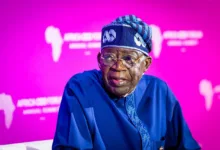

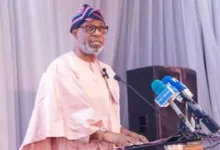
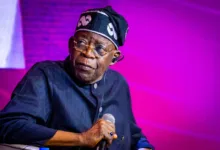
His 2026 budget speech tries to correct that imbalance. Its theme, consolidation, resilience, shared prosperity, signals a shift from fixing the economy to making it work for people.
Capital expenditure now dominates the budget. Execution discipline is no longer implied; it is stated, with ministers and agencies placed squarely on the hook.
Revenue leakages, long tolerated, are targeted through digitisation and performance tracking.
Importantly, the assumptions are more realistic. Oil prices, production levels, and exchange rates are no longer wishful thinking. This alone improves the chances that the budget can be delivered, not just announced.
Yet the real test remains unchanged. Nigeria does not suffer from a shortage of plans. It suffers from a shortage of follow-through.
Debt servicing still consumes a heavy share of resources. Oil output remains fragile.
Institutions, not speeches, will determine the outcome of the 2026 budget.
If capital releases come early, projects are completed, and citizens begin to see roads, jobs, food security, and functioning services by mid-2026, the budget could mark the moment reform finally turns into thr relief we’ve been seeking.
If not, it risks joining a long list of well-written budgets that never quite reach the people.
In the end, the most important budget is not the one read in the chamber, it is the one Nigerians experience for the better, in their daily lives. 2026 is around the corner. We’re waiting with measured anticipation.