Northern Nigeria: From statesmanship to self-interest, by Al-Amin Isa
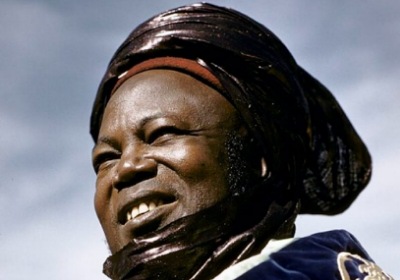
Northern Nigeria, which was once the dominant political and economic bloc of the country from independence until the late 1990s, has in recent decades seen a decline in both political influence and economic vitality.
The reasons are both internal and external. The first generation leaders of Northern Nigeria are usually understood as the political elite who emerged in the 1940s–1960s, at the dawn of Nigeria’s independence. They were the ones who defined the political, economic, and cultural outlook of the region in the First Republic (1960–1966).
Key Figures
- Sir Ahmadu Bello (Sardauna of Sokoto) – Premier of Northern Nigeria (1954–1966) and leader of the Northern People’s Congress (NPC).
- Sir Abubakar Tafawa Balewa – First Prime Minister of Nigeria (1960–1966), a Northerner and close ally of Ahmadu Bello.
- Sir Kashim Ibrahim – First indigenous Governor of Northern Nigeria (1960–1966).
- Mallam Aminu Kano – Founder of the Northern Elements Progressive Union (NEPU), champion of the talakawa (common people).
- Joseph Tarka – Leader of the United Middle Belt Congress (UMBC), representing minority and Middle Belt interests.
- Other influential figures included Shehu Shagari, Muhammadu Ribadu, Bello Maitama, Inua Wada, and Sunday Awoniyi (in later years).
How They Conducted Their Affairs
- Regional Unity and Identity • The first generation leaders of the North placed a premium on unity across a vast, diverse region of Hausa-Fulani, Kanuri, Tiv, Nupe, Jukun, and others.
• Ahmadu Bello, for example, advanced the concept of “One North, One People, Irrespective of Religion, Rank, or Tribe”. - Pragmatic Politics • They created alliances within and outside the North.
• NPC, under Ahmadu Bello, dominated Northern politics, but accommodated minority voices through alliances with Tarka’s UMBC when necessary.
• Balewa, at the federal level, was known for his moderation and consensus-seeking. - Respect for Tradition and Modernity • They balanced the influence of the traditional emirate system with the demands of modern democratic politics.
• Ahmadu Bello himself remained Sardauna of Sokoto while also Premier of the Northern Region. - Emphasis on Education and Bureaucracy • They pursued educational expansion, though the North lagged behind the South.
• They also invested in a strong civil service. Northern civil servants like Liman Ciroma, Yahaya Gusau, and Ali Akilu became known for discipline and loyalty. - Moral Conduct and Frugality • Many of them lived modest lives, with less personal accumulation of wealth compared to later generations.
• Leadership was seen more as a duty and trust (amanah) than as a business venture. - Religious Tolerance and Control • They managed to maintain relative religious balance. While the majority of the leadership were Muslims, leaders like Joseph Tarka and other Christian minorities had space in the political arena.
• They promoted stability by controlling extremism and preventing sectarian divides from exploding. - Developmental Focus • Northern Nigeria under their leadership saw investments in agriculture, basic infrastructure, and health.
• Initiatives like the Northern Nigeria Development Corporation (NNDC) and regional marketing boards were aimed at strengthening the North’s economy.
The First Generation: Statesmen of Vision
• Unity as a Mission: The North in the 1950s was a fragile coalition of emirates, minorities, and faiths. Yet the Sardauna preached “One North, One People,” while still respecting diversity. Leaders like Tarka and Aminu Kano could disagree ideologically but were never excluded from the political equation.
• Modesty and Discipline:
Ahmadu Bello lived a simple life in Kaduna, and Tafawa Balewa was known for his frugality and humility. Public funds were largely for public use.
• Institution Building:
They strengthened the civil service, expanded schools, and established corporations like the NNDC to grow the regional economy. They planted trees whose shade they knew they might never sit under.
• Ideological Politics:
NPC was conservative, NEPU was populist, UMBC fought for minorities — but all were rooted in conviction, not just raw ambition.
The Second Generation: The Age of the Military and Oil.
The coup of 1966 ended the dominance of Northern civilians and ushered in the military generation. Leaders like Yakubu Gowon, Murtala Mohammed, Muhammadu Buhari, and later Ibrahim Babangida, Sani Abatcha came to prominence.
• Loss of Ideology:
Politics became less about ideas and more about power management. The military centralized authority and weakened the regions, eroding the strong Northern identity built by the Sardauna.
• Oil Curse:
The discovery and dependence on oil revenues meant agricultural self-reliance and regional development projects were abandoned. Easy money replaced hard work.
• Corruption Creeps In:
Shagari’s civilian government (1979–83) was already marked by excess and patronage, a far cry from the austerity of Ahmadu Bello and Tafawa Balewa.
The Third Generation: The Age of Decline
By the 1990s and into the Fourth Republic, Northern leadership was reduced to career politicians and rent-seekers. They became the political power-brokers and treated the North less as a community of destiny and more as a bargaining chip in Nigeria’s power game.
• Collapse of Morality:
While the first generation lived modestly, the third generation flaunted obscene wealth — mansions in Abuja, convoys of SUVs, foreign bank accounts.
• Elite Disconnect:
The talakawa that Aminu Kano championed were abandoned. Poverty, illiteracy, and unemployment soared in the North even as its leaders grew richer.
• Politics Without Vision:
Alliances were no longer ideological but transactional — who gets what position, which godfather controls which office.
• Failure on Security:
Where Ahmadu Bello kept the peace with dialogue and authority, today’s leaders preside over a North ravaged by banditry, terrorism, and communal bloodshed.
What Changed?
The truth is stark: the first generation thought in centuries, the later generations thought in election cycles. Ahmadu Bello wanted to transform the North for generations unborn; many of today’s leaders want to enrich themselves before the next political reshuffle.
A Call to Reflection
If Northern Nigeria is to reclaim its lost strategic position, it must rediscover the ethos of its founding statesmen — discipline, modesty, service, and institution-building. Otherwise, the region will continue to produce leaders in name, but not in spirit.
The Sardauna once said: “We will not leave our people in darkness.” Sadly, many of his successors have done exactly that — and profited from the darkness.