Reimagining VIP protection in Nigeria: a balanced path to reform, by Femifoluwa Ladehl
The longstanding practice of attaching police officers to VIPs politicians, business titans, traditional rulers, and other high-profile individuals has become so entrenched that it demands urgent national reflection.
While abruptly dismantling this system without a thoughtful transition would create a dangerous security vacuum and potentially fuel a surge in high-profile kidnappings and assassinations, the status quo is equally untenable.
Thousands of officers are tied down guarding private residences and convoys while ordinary Nigerians, especially in the North and other volatile regions, face daily threats from banditry, insurgency and violent crime due to inadequate policing.
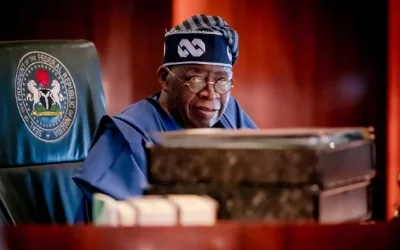
President Tinubu’s push for reform is therefore not just timely, it is imperative. The political class, senior public officials and all beneficiaries of police escorts must lead by example: comply with the directive immediately, withdraw unauthorised orderlies, and then engage constructively with the President and security chiefs on a sustainable way forward.

To achieve a fair balance between personal security for leaders and collective safety for all citizens, I propose the following practical reforms:
- The “1-for-10” Sponsorship Model:
To tackle chronic police understaffing and boost recruitment, any VIP requiring armed protection should be required as a mandatory condition to sponsor the full career development of ten (10) new police officers from their constituency or state.
The Deal: The VIP funds recruitment, specialised training, kitting, housing allowances and personal equipment for these officers. The Federal Government continues to pay salaries, pensions, and ammunition.
The Logic: For every officer assigned to private protection, ten more are injected into the national pool, ensuring the system grows rather than depletes.
- Dedicated VIP Protection Units (VPU):
Shift away from deploying regular police personnel for escort duties.
Elite Structure: Establish a professional VIP Protection Command, either as a specialised unit within the Nigeria Police Force (NPF) or under the Nigeria Security and Civil Defence Corps (NSCDC). Officers must be rigorously vetted, intensively trained in close protection, and rotated every 12–18 months to prevent compromise or collusion.
Funding Mechanism: Introduce a modest, transparent, and statutory “Protection Service Fee” paid by beneficiaries to augment the unit’s allowances and operations ensuring taxpayers are not solely burdened.
- Clear Distinction: Infrastructure vs. Individuals:
Security priorities must be decoupled.
Critical National Assets: Protection for refineries, power plants, airports, dams, railways and other strategic infrastructure remains a fully government-funded core responsibility of the NPF and NSCDC.
Private Interests: Large corporate offices, factories, or estates should increasingly rely on licensed private security firms or NSCDC services, rather than draining NPF resources.
- Empower and Modernise the NSCDC:
Fast-track the transformation of the Nigeria Security and Civil Defence Corps into a modern, prestigious paramilitary force with an expanded mandate that includes VIP protection and critical infrastructure security.
Better funding, advanced training, modern equipment, and improved welfare will enable the NSCDC to shoulder much of this load, freeing the NPF to focus on community policing, crime prevention, and frontline operations in insecurity hotspots.
This Is the Path Forward
The objective is not to expose leaders to undue risk but to ensure their safety strengthens rather than weakens the security architecture for all Nigerians.
Obey first. Clear unauthorised police attachments now.
Then collaborate with Mr. President, the Inspector-General of Police, service chiefs and governors to implement a professional, equitable framework that treats security as a shared national investment, not an elite privilege.
True leadership is demonstrated through sacrifice and example. By embracing these reforms, we can begin to heal the deep divide between the protected few and the vulnerable many and build a police force capable of securing every corner of our Nation.
God bless the Federal Republic of Nigeria.