TDF challenges Atiku, Obi to unveil action plans ahead of 2027
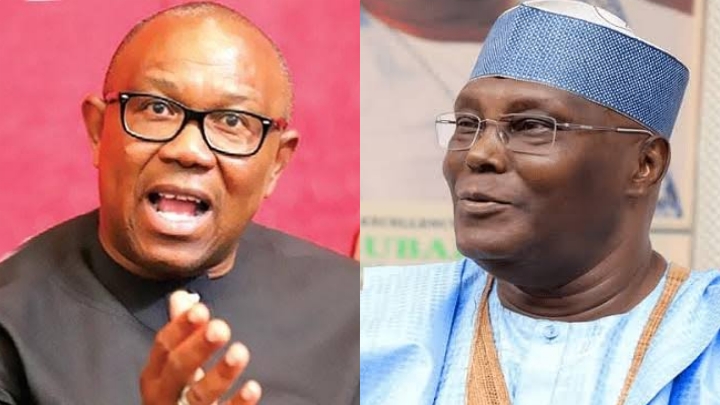
The Democratic Front (TDF) has urged the presidential candidate of the African Democratic Congress (ADC), Atiku Abubakar, and his counterpart in the National Democratic Congress (NDC), Peter Obi, to present their alternative policy plans to Nigerians rather than focus on criticising the administration of President Bola Ahmed Tinubu.
In a statement signed by its chairman, Mallam Danjuma Muhammad, and Secretary, Chief Wale Adedayo, the group said Nigerians wanted to know what the two opposition figures would do differently if elected president in 2027.
The group said the emergence of Atiku and Obi as presidential candidates had changed their political status from critics of the government to contenders for the presidency, and urged them to present comprehensive economic programmes rather than what it described as selective criticism of government policies.
TDF said it had repeatedly challenged the two candidates to make their economic plans public, alleging that their focus on what it described as “unimportant details” suggested they lacked workable alternative blueprints.
The group also criticised Atiku over his comments on petrol prices, saying his comparison of the purchasing power of N30,000 in the past with N70,000 today failed to account for the removal of petrol subsidy. It also questioned his position on subsidy removal, noting that he had made the policy and the privatisation of the Nigerian National Petroleum Corporation (NNPC) major campaign issues in 2023.
TDF further faulted Atiku’s criticism of economic indicators cited by Tinubu in his Independence Day address, arguing that inflation, gross domestic product and other macroeconomic data were important measures of economic performance.
On Obi, the group criticised his response to Tinubu’s address, accusing him of focusing on insecurity and economic challenges while failing to acknowledge what it described as recent security gains and other developments under the administration.
TDF listed the decline in inflation, relative stability in the foreign exchange market, improved security, 4.4 per cent year-on-year GDP growth, a N12.60 trillion trade surplus in the second quarter of 2026 and an increase in foreign exchange reserves to $55.2 billion among developments it attributed to Tinubu’s economic reforms.