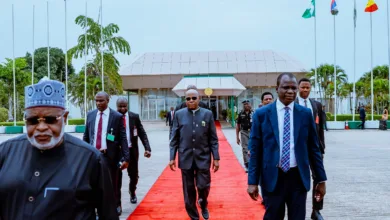
Tinubu pursuing prudent borrowing, stronger revenue drive – Speaker Abbas
By Kunle Sanni –
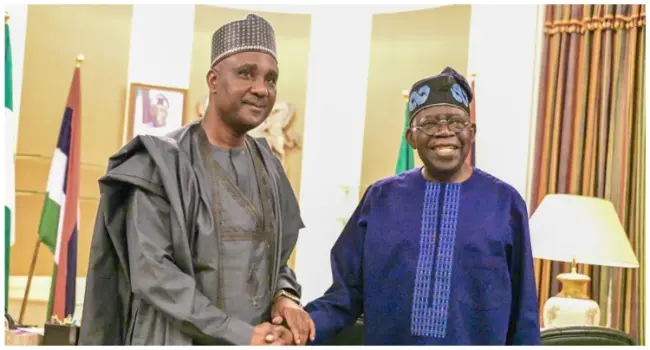
Speaker of the House of Representatives, Rt. Hon. Abbas Tajudeen, has said President Bola Tinubu is working tirelessly to address Nigeria’s public debt through prudent borrowing and a stronger non-oil revenue drive.
Speaking at the opening of the 11th Annual Conference and General Assembly of the West Africa Association of Public Accounts Committees (WAAPAC) in Abuja on Monday, Abbas said public debt, if responsibly managed, could be a tool for growth and development. He was represented at the event by the House Leader, Prof. Julius Ihonvbere.
“Indeed, public debt, when managed prudently, can be a tool for growth and prosperity. Yet, when left unchecked, it becomes a burden that erodes economic stability and threatens the welfare of future generations,” the Speaker said.


The conference, organised by the House Public Accounts Committee with the support of WAAPAC and international partners, focused on the theme: “Strengthening Parliamentary Oversight of Public Debt: The Role of Finance and Public Accounts Committees.”
A statement from his media adviser, Musa Abdullahi Krishi, noted that Abbas’s remarks were not a call to reject borrowing entirely but a push for responsible debt management that ensures real value for Nigerians.
He said this approach aligns with President Tinubu’s Renewed Hope Agenda, which prioritises fiscal discipline, resource management, and channelling funds into infrastructure, education, green energy, and social welfare.
The remarks came days after President Tinubu announced that Nigeria had met its 2025 revenue target ahead of schedule and would not rely on borrowing to fund this year’s budget. According to the President, the government’s non-oil revenue drive yielded enough to meet projections by August, significantly reducing dependence on loans.
At the WAAPAC forum, Abbas stressed the importance of stronger legislative oversight, transparency, and ensuring that borrowed funds deliver tangible benefits. He also highlighted Africa’s debt structure, noting that Western private lenders now hold 35 percent of the continent’s government debt, while China accounts for 12 percent.