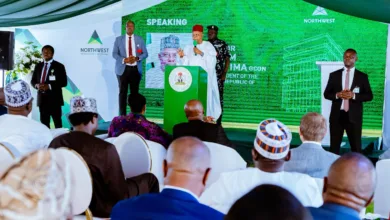
Tinubu’s reforms making Nigeria easier for business, says Shettima
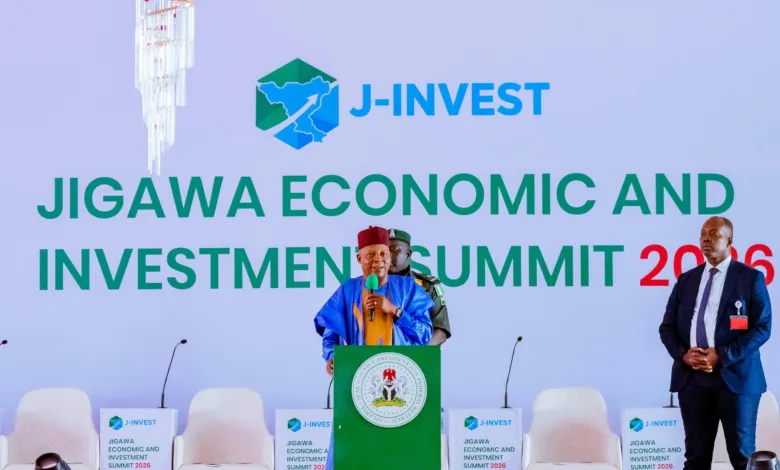
Vice President Kashim Shettima on Wednesday said the Federal Government’s economic reforms are making it easier to do business in Nigeria, insisting that recent policy measures have improved the investment climate and empowered states to unlock their economic potential.
Shettima, who spoke while declaring open the Jigawa Investment Summit 2026 in Dutse, said the administration of President Bola Tinubu had introduced reforms through the Presidential Enabling Business Environment Council (PEBEC), the Business Facilitation Act and foreign exchange market liberalisation to attract investment and drive sustainable economic growth.
“We have made it easier to do business in Nigeria. Through the Presidential Enabling Business Environment Council, we have simplified registrations and permits, and brought the cost and time of starting and running a business steadily down. The Business Facilitation Act has given these reforms the force of law, binding our agencies to transparency, predictability and speed,” the Vice President said.
He added that the government had also “unified and liberalised the foreign-exchange market, ended distortions that for too long frightened away serious investors, and put public finances on a more honest footing.”

According to Shettima, the reforms are beginning to yield positive results, with greater transparency in the foreign exchange market, stronger external reserves and improved sovereign credit ratings.
He said the Electricity Act 2023 had also opened the power sector to private investment by allowing states to license, generate and distribute electricity.
“From power to agriculture, from solid minerals to the digital economy, we have replaced gatekeeping with partnership. We have redirected the savings from hard reform toward the things that build a nation, into infrastructure, into human capital, and into support for our most vulnerable citizens,” he said.
The Vice President noted that reforms at the federal level would have limited impact unless they translated into development at the subnational level, adding that the National Economic Council and the Federal Executive Council were working with states to strengthen fiscal transparency and expand access to development and climate finance.