What the law says about blocking an aircraft — by Innocent Raphael
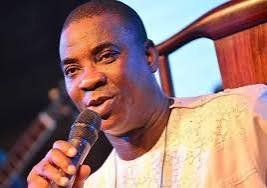
The recent incident at the Nnamdi Azikiwe International Airport, Abuja, involving renowned Fuji musician, King Wasiu Ayinde Marshal (K1 De Ultimate), has stirred public concern—not just over what happened, but over how the country chooses to respond when high-profile individuals breach aviation safety standards.
On August 5, 2025, reports from both the Ministry of Aviation and the Nigeria Civil Aviation Authority (NCAA) confirmed that the musician physically obstructed a ValueJet aircraft from taxiing.
According to Aviation Minister Festus Keyamo, who reviewed official footage, K1 repeatedly positioned himself in front of the aircraft, preventing its movement. The Minister did not mince words, describing the act as a “hostage situation”—a strong but understandable reaction, considering the potential risks to passengers and crew.
This goes beyond mere misconduct. Under Section 459A of Nigeria’s Criminal Code Act, obstructing or interfering with an aircraft in motion is a criminal offense, punishable by up to two years in prison. Furthermore, the Nigeria Civil Aviation Regulations (Nig. CARs) 2023 reinforce strict compliance with safety procedures, leaving no ambiguity about the seriousness of such actions.




In response, the NCAA has taken commendable steps by petitioning the Attorney-General of the Federation and the Inspector-General of Police for a full investigation.
The agency also advised domestic airlines to place K1 on a No-Fly List until the matter is resolved. This aligns with global best practices and reinforces the message that safety and the rule of law take precedence over public status or celebrity.
However, the incident also revealed lapses on the part of the airline. As Minister Keyamo noted, taxiing should never commence when an individual is visibly on the tarmac.
The suspension of the pilot and captain was appropriate, but accountability must cut both ways. The same rules must apply to all parties involved, regardless of their social standing.
In Nigeria, it is not uncommon for fame or influence to shield individuals from the consequences of their actions. But in aviation, where lives are at stake, there is no room for such privilege. Safety standards exist to protect everyone, and disregarding them—even for a moment—can have devastating consequences.
The law must take its full course. If found guilty, K1 De Ultimate should face the appropriate legal and regulatory consequences—not because of who he is, but because of what the law requires. This is how trust is built in our institutions, and how confidence is maintained in our aviation system.
There must be no exceptions. The runway must be clear—for aircraft, for passengers, and for justice.