ADC raises alarm over Nigeria–U.S. health MoU, demands full disclosure
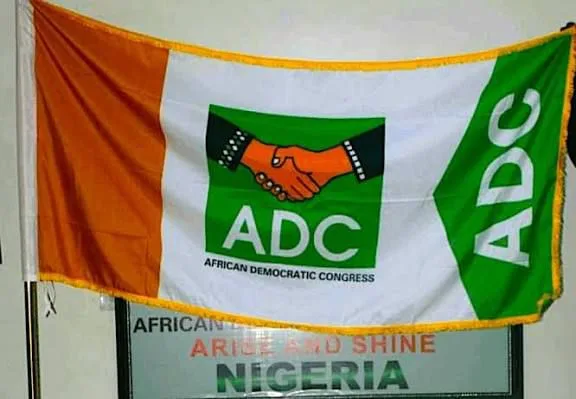
The African Democratic Congress (ADC) has called on the Federal Government of Nigeria to urgently clarify the contents of a recently signed health cooperation Memorandum of Understanding (MoU) between Nigeria and the United States, citing conflicting public descriptions of the agreement by both governments.
In a statement issued on Sunday by its National Publicity Secretary, Mallam Bolaji Abdullahi, the opposition party expressed concern that while the federal government has portrayed the MoU as a technical and inclusive framework designed to strengthen health security, expand primary healthcare, and enhance domestic health financing, official statements from the United States Embassy describe the agreement in materially different terms.
According to the ADC, the U.S. characterisation of the MoU introduces religious and identity-based considerations, suggesting that spending under the agreement would be targeted at health institutions affiliated with a particular religion. The party warned that such framing, if accurate, would conflict with Nigeria’s constitutional commitment to inclusion, equality and national unity.
“The Nigerian government should not enter into any agreement that is sectional or potentially inimical to Nigeria’s constitutional values,” the ADC said, adding that it was “particularly curious” that these alleged conditionalities, including provisions granting the United States unilateral powers to pause or terminate the agreement, were absent from the federal government’s public explanation of the MoU.



The party argued that the divergence between Abuja’s and Washington’s accounts could not be dismissed as a mere communication gap, but rather raised serious questions about transparency, constitutional compliance and national sovereignty.
“Nigerians are entitled to know which version of this agreement reflects the actual terms that were signed, and why such consequential differences exist,” the statement read.
While reaffirming its support for foreign assistance and bilateral cooperation in strengthening Nigeria’s healthcare system, the ADC insisted that such partnerships must respect Nigeria’s diversity and adhere strictly to constitutional provisions prohibiting discrimination on the basis of religion or ethnicity.
The party cited Section 42(1) of the 1999 Constitution, which prohibits discrimination on grounds including religion and place of origin, as well as Sections 15 and 17, which mandate the state to promote national integration and equality of rights and opportunities.