ANALYSIS: Examining APC’s performance in the Ibadan North by-election

By Adejayan Gbenga –
The All Progressives Congress (APC) suffered a major setback in the just-concluded Ibadan North Federal Constituency by-election, where a combination of internal party crises and external political dynamics shaped the outcome.
The Peoples Democratic Party (PDP) candidate, Folajimi Oyekunle, emerged victorious with 18,404 votes, defeating the APC flagbearer, Adewale Olatunji, who secured 8,312 votes.
The result highlights the dominance of the PDP in Oyo State and the challenges facing the APC as it struggles with internal divisions and waning grassroots support.


- Imposition of candidate
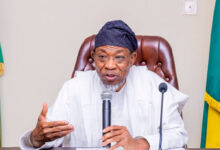
The decision to field Adewale Haastrup Olatunji as the APC candidate was widely seen as controversial. Allegations emerged that the Minister of Power, Adebayo Adelabu, influenced the process and imposed Olatunji on the party. This move alienated several aspirants who felt sidelined, while grassroots members expressed dissatisfaction with the lack of transparency. The resulting disaffection fractured APC’s internal unity and weakened its campaign machinery. - Weak grassroots mobilization
Disunity within the APC reduced enthusiasm among party loyalists at the ward and unit levels. Many disgruntled members reportedly withheld support, while others defected to rival camps. This poor mobilization reflected in the voter turnout and ultimately in the party’s poor performance at the polls. - PDP’s strategic advantage
On the other hand, the Peoples Democratic Party (PDP) fielded Folajimi Oyekunle, Governor Seyi Makinde’s preferred candidate. Oyekunle’s candidacy rode on the governor’s strong grassroots network and the visible impact of his administration’s projects across Oyo State. For many voters, supporting Oyekunle was seen as consolidating the state government’s development agenda. - Incumbency and popularity of Governor Makinde
Governor Makinde’s rising popularity played a decisive role. His reputation for delivering infrastructure, education reforms, and social welfare schemes created goodwill that extended to the PDP candidate. The election thus became a referendum of sorts on Makinde’s governance, and Oyekunle benefited directly from this political capital.
Conclusively, the Ibadan North by-election highlighted the cost of internal disunity within APC and the strategic advantage of incumbency for PDP. While APC struggled with self-inflicted wounds caused by imposition and poor mobilization, PDP capitalized on unity, incumbency, and a popular governor’s backing.
The result is a warning signal to the All Progressives Congress (APC) ahead of the 2027 governorship election in Oyo State: without internal reforms and genuine inclusiveness, it risks further electoral setbacks.