Governance is bigger than one battle — by Kayode Adebiyi
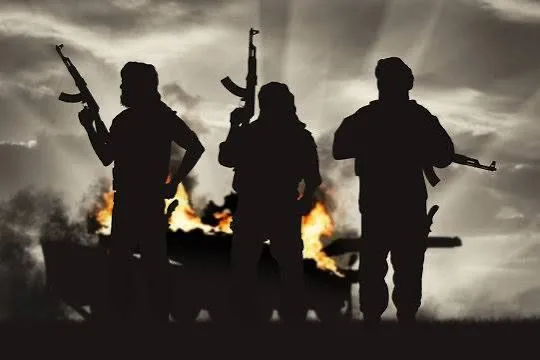
For almost twenty years, Nigeria has been fighting a painful, exhausting war against insurgency and banditry. Lives have been lost. Communities have been displaced. Emotions run high, as they should. But somewhere along the line, a troubling expectation has crept into our national thinking: that the president must drop everything else and focus only on this war.
That expectation, though understandable, is not realistic.
Insurgency is not a conventional war. You are not fighting an army you can easily see or defeat on a battlefield. It is ideological. It hides among civilians, feeds on poverty and misinformation, and adapts quickly. Even the most powerful nations have struggled with it. The United States spent years in Afghanistan, committed enormous resources, lost soldiers, and still had to withdraw with the Taliban taking over again. That alone should tell us this is not a fight that ends overnight.
Every Nigerian president has faced this same burden. And every one of them has deployed the military, engaged intelligence systems, and committed political will to tackling insecurity. Our soldiers continue to put their lives on the line daily. They deserve recognition, not a public space that constantly reduces their sacrifices to political talking points.



But here is the truth many do not want to accept: a country cannot pause because of war.
Life must go on. The economy must run. Jobs must be created. Investments must come in. Schools must function. Infrastructure must be built. Agriculture must grow. Policies must be made. People must eat, work, and live.
These are not side issues. They are essential. In fact, they are part of the long-term solution to insecurity. A struggling economy, widespread unemployment, and lack of opportunity only make it easier for extremist ideas to spread.
This is why it is misplaced when people question why a president travels for economic or diplomatic engagements simply because an attack happened days before. Leadership is not about reacting to one issue at the expense of all others. It is about managing multiple priorities at once.
And the contradiction is obvious. If the president focuses only on insecurity, people complain that the economy is failing. If he focuses on the economy, they say he is ignoring insecurity. This cycle of criticism is not just unfair, it is unhelpful.
Since coming into office, President Bola Ahmed Tinubu has tried to strike that balance. On the security side, his administration has continued military operations, improved coordination among security agencies, and placed greater emphasis on intelligence-led strategies. There has also been attention to the welfare of security personnel, knowing that morale matters in a prolonged fight like this.
More importantly, there is a growing recognition that Nigeria’s security structure needs to evolve. The push towards state policing is a major step in that direction. Security is local. Communities understand their own challenges better than a distant central system ever can. A decentralized policing structure, if properly implemented with checks and accountability, could significantly improve response time, intelligence gathering, and overall effectiveness.
At the same time, the administration has taken bold steps on the economic front. Difficult decisions have been made to reform the system, improve revenue, attract investment, and reposition the country for growth. There are ongoing efforts in infrastructure, agriculture, industrialization, and social welfare. These are not distractions. They are necessary.
Because the fight against insecurity is not only fought with guns. It is also fought with opportunity, stability, and hope.
Opposition politics is a normal part of democracy. But turning every security challenge into a tool for scoring political points does more harm than good. It weakens public confidence and distracts from the real work that needs to be done.
The reality is simple. There is no quick fix to insurgency. It requires patience, strategy, and sustained effort. It also requires a nation that continues to function, grow, and develop in spite of the challenge.
Nigeria cannot afford to stand still.
The war must continue. The military must be supported. But governance must also move forward. A president’s job is not one-dimensional, and it should never be reduced to that.
We can demand results without ignoring reality. And we can support progress without pretending the challenges do not exist.
That is the balance Nigeria needs.