Oyo Alaafin in Diaspora rejects Senate bill on Traditional Rulers Council
By Adejayan Gbenga –
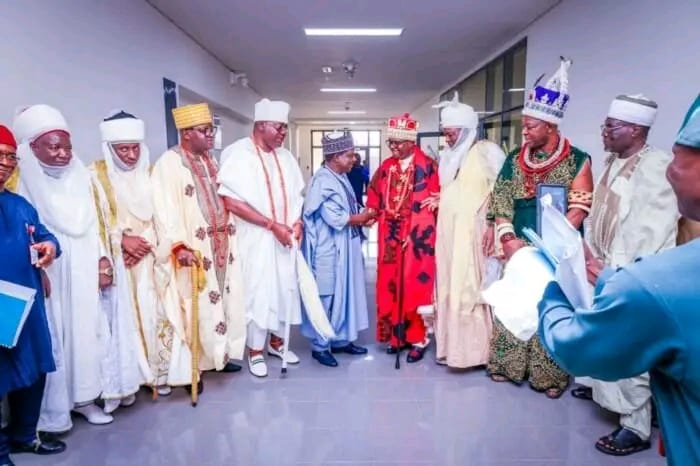
A UK-based Yoruba organisation, Oyo Alaafin in Diaspora (OAD), has rejected a Senate bill seeking to establish a National Council of Traditional Rulers, describing it as historically inaccurate, ethnically biased, and constitutionally flawed.
In a statement signed by its Secretary, Afolabi Paul, the group condemned the bill’s provision naming the Sultan of Sokoto and the Ooni of Ife as permanent co-chairmen of the proposed council. It argued that this selection unfairly elevates two monarchs from the Fulani and Yoruba ethnic groups, while ignoring others such as the Hausa, Igbo, Kanuri, and Tiv.
OAD maintained that the Ooni of Ife does not represent the political leadership of the Yoruba people, asserting that the Alaafin of Oyo has historically held that position. It warned that the bill distorts Yoruba traditional hierarchy and may worsen ethnic tensions rather than promote unity.


The group cited historical records to support its stance, including Lord Frederick Lugard’s 1917 memoranda recognizing the Alaafin as “Head of Yoruba Kings” and colonial treaties between 1881 and 1893, where the Alaafin signed on behalf of the Yoruba in dealings with the British Crown.
OAD also referenced a 1938 colonial memo on salaries of Yoruba monarchs, which showed the Alaafin earning £4,200 annually—far more than the Ooni’s £1,440, a figure closer to that of district heads such as the Baale of Ibadan.
It recalled a 1991 case involving Chief Tom Ikimi’s conferment of the title “Akinrogun of Yorubaland,” where the Oyo State Government affirmed the Alaafin’s exclusive authority to bestow pan-Yoruba titles, based on colonial documents and legal precedent.
The group noted that between 1960 and 1965, the Alaafin chaired the Western State Council of Obas while the Ooni was a member. It attributed later shifts in status to political interference and the Ooni’s rise during his tenure as governor in the 1950s.
OAD urged the Senate to either withdraw the bill or thoroughly review it to reflect Nigeria’s historical and ethnic diversity. “No single monarch should represent all regions or religions,” the group said, calling for a framework rooted in federal character and documented history. The Senate is yet to respond.