Peter Obi misguided on N3.3trn GenCos debt, says TMSG
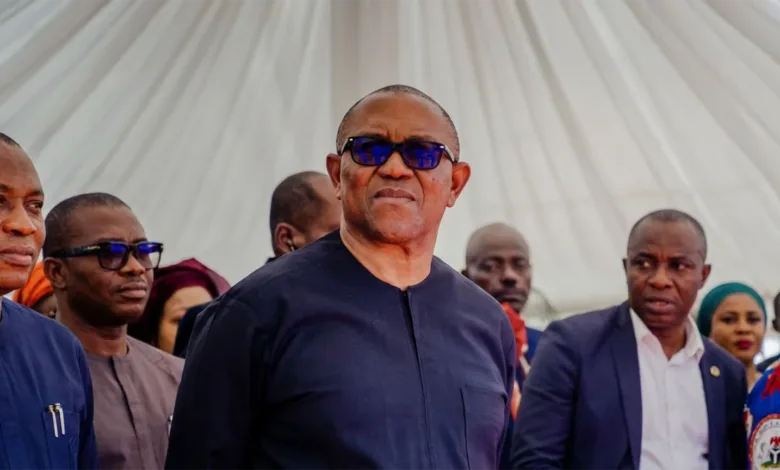
Political support group, the Tinubu Media Support Group (TMSG) has criticised former Labour Party presidential candidate Peter Obi, describing his comments on President Bola Tinubu’s N3.3 trillion debt settlement to electricity power-generating companies (GenCos) as misguided.
In a statement signed by its Chairman, Emeka Nwankpa, and Secretary, Dapo Okubanjo, the group questioned how a former governor could confuse debts owed to GenCos with those of electricity distribution companies (DisCos).
“We are stunned beyond belief that former Governor of Anambra State, Peter Obi, claimed that a substantial portion of the N3.3 trillion debt recently scheduled for repayment was owed by Ministries, Departments and Agencies (MDAs) and the Presidential Villa,” the statement said. “This is a preposterous claim that no one who has ever held public office at that level should make.”
TMSG added that Obi appeared unaware that the debt relates to gas supply to GenCos, not power distribution to individuals and government agencies, highlighting what the group called a “poor understanding of issues in the polity.”


The group also challenged Obi’s interpretation of legacy debts and the Tinubu administration’s plan to address them. “Obi did not acknowledge that much of the debt predates the All Progressives Congress (APC) administrations of both the late President Buhari and President Tinubu,” the statement said.
TMSG noted that the current administration is only seeking to clear these obligations to remove impediments to electricity generation and to encourage investment in the power sector.
The group further explained that while Minister of Power Adebayo Adelabu disclosed in 2024 that the presidency approved payment of N3.3 trillion to GenCos, the latest announcement refers to an approved payment plan following reconciliation, with eight major power generation companies operating 15 power plants agreeing to the plan.
It concluded that Obi’s comments, aimed at appealing to his political followers, reflect what the group described as a shallow understanding of critical national issues.