What S&P’s first Nigeria upgrade in 14 years means for businesses, investors — by Olabode Opeseitan
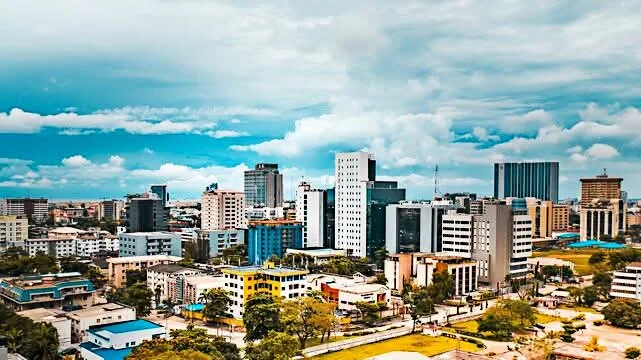
After decades of economic drift, the outside world is gradually and steadily embracing Nigeria as a country getting its footing back. For a nation where the cost of living has often outpaced hope, even a modest restoration of confidence can begin to lower the daily budget.
Nigeria’s elevation from B- to B by S&P is, at its core, a statement about its reform story and why it now matters. It reflects a growing recognition that Africa’s most populous nation, long constrained by policy inconsistencies and costly economic distortions, is beginning to move in a more measured way toward stability. The shift is neither dramatic nor accidental. It is deliberate. It moves away from artificial support toward a more market-aligned and sustainable footing.
S&P Global Ratings’ upgrade of Nigeria is its first in fourteen years. On the surface, it reads like a technical adjustment. In practice, it is a signal that recent cross-sectoral reforms under President Tinubu are beginning to register as credible beyond Nigeria’s borders.
For the Ordinary Nigerian
This kind of upgrade does not lower prices overnight, but it can slow the pace at which things get worse. A steadier naira, improved dollar inflows, and more predictable policy can further ease inflationary pressure. Over time, that shows up in lower food prices, transport costs that stop spiraling, and wages that stretch a little further.



For Government
A better rating strengthens Nigeria’s hand in global markets. Borrowing becomes less punitive, and the state gains some fiscal breathing room. But upgrades come with quiet conditions. Consistency, discipline, and follow-through matter more now. The margin for policy reversals narrows.
For Industries and Businesses
Confidence is oxygen. As uncertainty recedes around foreign exchange, energy costs, and supply chains, capital begins to move with less hesitation. Firms can plan, invest, and expand with a longer view, and that stability can translate into jobs and more reliable production.
For Lenders and Investors
This is, above all, a recalibration of risk. Nigeria is not being declared fixed. It is still a work in progress. It is being reclassified as stable. Capital that once stayed cautious may begin to edge back in, drawn by the prospect of stability rather than speculation.
What S&P has offered is a quiet vote of confidence that raises the stakes. If you are among the many Nigerians asking when daily life will begin to feel less punishing, this moment sharpens that question. The signal has been sent. The credibility window is open. What follows is whether policy can convert that confidence into a deeper and more decisive dent in inflation, a real easing of poverty, and the continuous repair of the country’s long-strained foundations