Why Akwa Ibomites keep calm about the ambassadorial list, by Nseobong Okon-Ekong
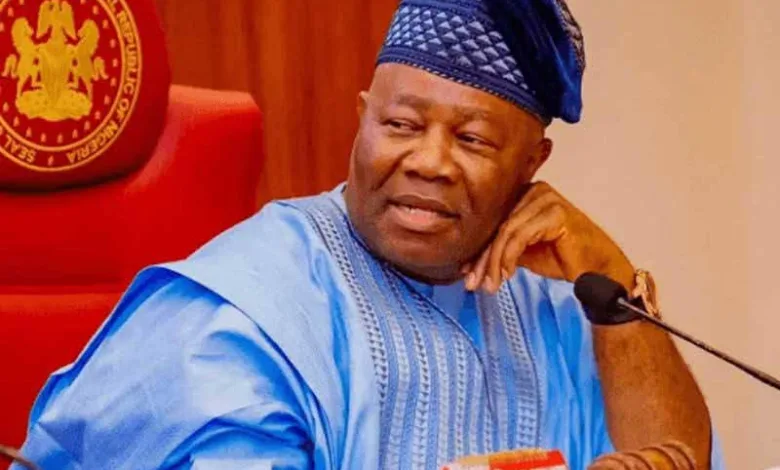
Nseobong Okon-Ekong writes that given that Nigeria maintains 109 diplomatic missions abroad, and that only a small group of nominees has emerged so far, it is premature to conclude that the state has been sidelined
Nigeria’s diplomatic footprint: is a big job to fill. The Federal Government of Nigeria maintains 109 diplomatic missions abroad — a mix of 76 embassies, 22 high commissions, and 11 consulates.
That means dozens of ambassadorial and envoy slots need to be filled — a big and complex assignment for any administration.
Thus, whether a particular state or region sees representation on the first wave of nominees depends on many factors: diplomatic strategy, host-country needs, political balancing, qualifications, and timing. Not seeing someone from Akwa Ibom on a first list doesn’t mean the state is being ignored — only that the wider calculus is still playing out.


The Staggered Release: Deliberate Choice, Not an Oversight
The presidency led by Bola Ahmed Tinubu has explained that ambassadorial postings will be released gradually, not all at once — to allow time for careful vetting and selection.
Indeed, after recalling the previous diplomatic corps in 2023, the government began nominating replacements — but only a small number have so far been forwarded for confirmation.
The delayed pace — nearly two years after the recall — suggests the government views ambassadorial appointments as serious and weighty decisions, not casual political favors.
In other words: the fact that the first list is small and selective is not a snub, but a signal that the administration intends to distribute posts carefully.
What the First List Means — and Does Not Mean — for Akwa Ibom
The first batch of nominees includes only three names: from states other than Akwa Ibom. That does not eliminate the possibility of future nominations — indeed, sources say more names are likely to follow “in due course.”
Given the large number of missions (109), and the mix of political and career appointments, many more slots remain open. Being omitted now simply means the selection process has not yet broadened — not that the state is unrepresented forever.
The Role of Akwa Ibom Leaders and Why Their Efforts Matter
Many in Akwa Ibom rightly look to their state officials for advocacy. On that front, there are reasons for confidence: The state’s elected leaders understand the importance of national representation abroad.
Given the staggered approach to appointments, the advocacy window remains open — and reasonable engagement now can still lead to representation when the next batch of names is considered.
A strong case can be made for competence and merit: when more ambassadorial slots open, well-qualified candidates from Akwa Ibom could argue persuasively for inclusion — especially where regional balance or national-interest representation is needed.
Thus, state leadership — including the governor and national legislators — remains vital to ensuring Akwa Ibom’s voice is heard when the selection matures.
Why Delay Might Be in Nigeria’s Overall Interest
The government has justified the delay on the grounds of economic constraints, funding difficulties, and the need to “stitch together” a balanced set of appointments.
It argues that rushing appointments without sufficient resources to support embassies, consulates, diplomatic staff, and mission operations would be irresponsible.
Given global economic and diplomatic pressures, the presidency appears to prefer a slower, deliberate process — one that aims to avoid mistakes, waste, or underperformance abroad.
That said, some analysts warn that the prolonged absence of ambassadors weakens Nigeria’s diplomatic influence, capacity to attract investment, safeguard citizens abroad, and pursue high-level deals.
What Akwa Ibomites Should Do — and Expect
View the current omission not as rejection, but as “phase one” of a larger process. Expect follow-up. Encourage their leaders — both at state and national levels — to maintain pressure and advocacy for fair representation. Suggest qualified and reputable names, prepared to meet the demands of global diplomacy. Trust that when the caretaker administration and the foreign-policy team are ready, more slots will open — and merit will count.
For the many sons and daughters of Akwa Ibom State who hoped the first ambassadorial list would include one of their own, the present disappointment is understandable. Yet, given that Nigeria maintains 109 diplomatic missions abroad, and that only a small group of nominees has emerged so far, it is premature to conclude that the state has been sidelined.
The staggered release of nominees — and the serious, weighty nature of ambassadorial appointments under Bola Ahmed Tinubu — suggests that the process is still unfolding. With sustained advocacy from state leaders, proper preparation by potential candidates, and national-level commitment to fairness, there remains a real and credible chance that future ambassadorial or envoy appointments will include representation from Akwa Ibom.
In short: Akwa Ibomites should rest assured — the door is not closed, only still opening