Abia enters phase two of development agenda, targets infrastructure, enterprise
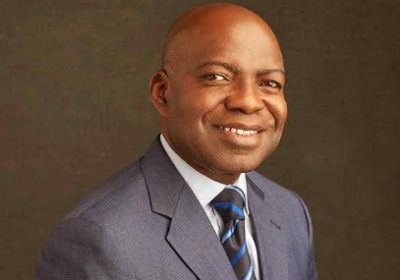
Abia State has entered the second phase of Governor Alex Otti’s development blueprint, with a renewed focus on integrated infrastructure and economic revitalization.
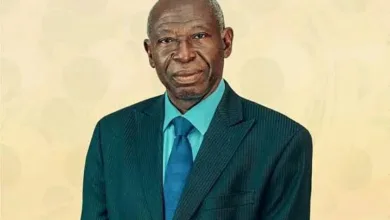
According to Professor Ndubuisi Ekekwe, a member of the Abia State Global Economic Advisory Council, this phase aims to build on early achievements by expanding critical systems and creating new platforms for enterprise.
Making a recap of the journey thus far, he disclosed that phase one successfully stabilized the state’s administrative framework, restored accreditations in the medical school, improved public services, and elevated Abia’s educational performance from 19th to top three in national exams like NECO and WAEC.
Ekekwe noted that workers’ confidence had also been restored through regular pension payments and legal reforms, while key cities like Aba and Umuahia saw improvements in basic amenities. He described this foundational phase as essential to launching broader economic transformation.

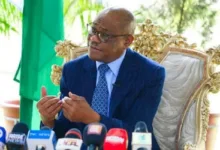
Phase two, which begins this month, will focus on both physical and systemic infrastructure. “Infrastructure goes beyond roads and buildings—it includes systems and enablers of markets,” Ekekwe said. He added that the goal is to make Aba and Umuahia functional economic engines that will accelerate development across the state.
The state’s strategic model, according to him, has already been validated. Aba is witnessing a resurgence as businesses relocate to the city, helping Abia lead Nigeria in debt repayment. “A working Aba and Umuahia will generate funds to develop other parts of Abia,” he said.
Ekekwe announced that the government would build industrial platforms that promote prosperity through enterprise, aligning with the state’s official motto. He emphasized that prosperity includes not just economic gains but improved health, wellbeing, and opportunity.
He acknowledged support from international and national partners, including the African Development Bank (AfDB), Islamic Development Bank (IsDB), and the Federal Government. These collaborations, he said, will help unlock long-stalled economic potential, especially in Aba’s manufacturing and informal sectors.