From darkness to smart lighting: Lagos shifts to solar, LED streetlights from orange-glow
By Adeola Ogunrinde
On December 3, 2024, Governor Babajide Sanwo-Olu signed the Lagos State Electricity Bill 2024 into law, setting the stage for reforms aimed at improving power supply and ensuring more reliable electricity for residents. At the signing ceremony, the governor reaffirmed his administration’s commitment to lighting up Lagos and enhancing critical infrastructure across the state.
Prior to this development, many residents had expressed concerns over malfunctioning streetlights in several parts of the state. Some alleged that previously well-lit roads had been left in darkness, raising safety and security concerns. The Lagos State House of Assembly had also, at one point, called attention to the need for improved maintenance of roads and related infrastructure.
Street lighting remains a vital component of urban infrastructure. In many major cities around the world, effective street lighting contributes significantly to road safety, crime reduction, and the promotion of nightlife and economic activity. In Lagos, illuminated streets, parks, and markets have historically served as hubs for social interaction and commercial activities, fostering community bonding and boosting local businesses.




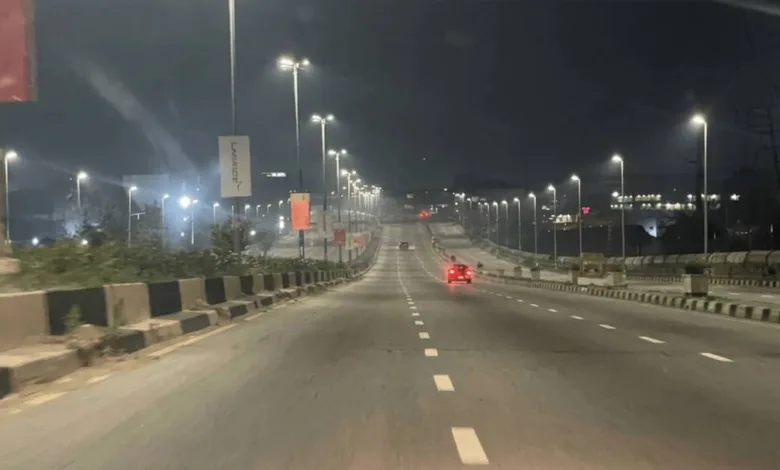
In response to these concerns and in line with global sustainability trends, the Lagos State Government has begun transitioning from the old orange-glow streetlights to smart LED and solar-powered lighting systems. The initiative includes the installation of new fittings and the decommissioning of outdated infrastructure along major routes across the state.
Previous administrations relied largely on diesel- and gas-powered street lighting systems, which officials say proved financially burdensome and environmentally unsustainable. According to the government, the high operational costs limited coverage across major roads.
In an interview, the Commissioner for Information and Strategy, Gbenga Omotoso, disclosed that the first phase of the current project targets the installation of 20,000 lamps, while the second phase will add about 22,000 streetlights.
“When Mr Sanwo-Olu came in, we felt it was not reasonable or sustainable to spend about N600 million monthly to power, repair, and fuel generators for streetlights,” Omotoso said. “The world is moving away from emissions towards clean energy, and Lagos should not be left behind. We decided to go solar after several trials to get the right specifications. This reflects our commitment to advancing technology and sustainable energy while beautifying our streets and communities.”
Residents have responded with cautious optimism. Speaking with Western Post, Omowumi Ayodele, a businesswoman in Ikorodu, described the project as a positive step.
“This Light Up Lagos initiative is a good idea. It has brightened our streets at night,” she said. “My concern is maintenance. How will the government sustain it? And during the rainy season, when there is limited sunlight, how will the lights be powered?”
Similarly, Mr. Olaoluwa, a lawyer based in the Ipaja area, praised the impact of the new lighting along the Iyana Ipaja–Ipaja axis.
“It makes driving easier at night. The fact that it is solar-powered is commendable, and the LED lights are much brighter. When crossing the road at night, you can clearly see people around you, which improves security,” he said.
As the project progresses, its long-term success may depend on consistent maintenance, technical efficiency, and sustained government commitment to renewable energy solutions.