Why I almost quit Buhari’s cabinet — Lai Mohammed
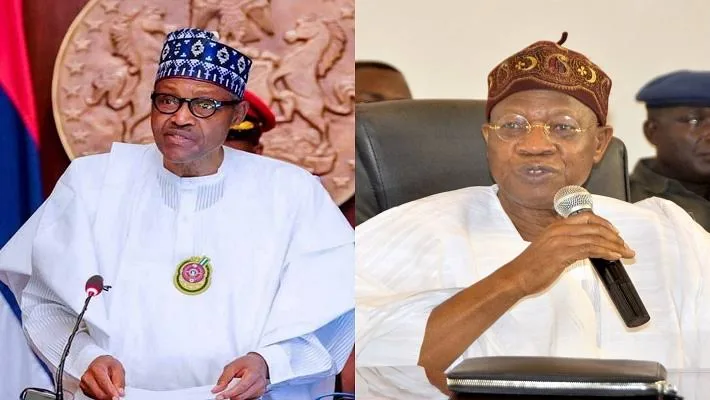
Former Minister of Information and Culture, Alhaji Lai Mohammed, has disclosed that he came close to resigning from office at the height of the EndSARS protests due to intense public criticism and pressure on his family.
Speaking ahead of the launch of his new book, Headlines and Soundbites: Media Moments that Defined an Administration, scheduled for 17 December, Mohammed said his family faced severe backlash during the protests, prompting a discussion in which they agreed he should step down. He said he seriously considered leaving office at the time.
The former minister explained that the book, written from his perspective as the longest-serving information minister under the administration of the late President Muhammadu Buhari, documents key decisions, crises, and communication challenges that shaped the government between 2015 and 2023. He said he wrote it to provide historical clarity and counter what he described as distorted public narratives.
Mohammed noted that he began writing the book in June, about a month before Buhari’s death—a loss he said left him “paralysed for days.” He added that he dedicated an entire chapter to the former president, whom he described as a mentor, leader and friend.

He said he chose 17 December for the book’s inauguration because it would have been Buhari’s 83rd birthday, marking his first posthumous anniversary.
Reflecting on his working relationship with the former president, Mohammed said Buhari never micromanaged his ministers and trusted their judgment. He dismissed claims that Buhari was aloof, insisting the former leader was always fully engaged in governance except during periods of ill health.
Mohammed also addressed public accusations that he frequently lied in defence of the government, saying his role was to provide facts and context, even when unpopular. He refuted claims that ministers enjoy excessive benefits, stating that he earned a total of N860,000 monthly during his time in office.
The former minister emphasised the importance of Africans telling their own stories and insisted that documenting his experiences was necessary to ensure future generations understand how government functions beyond public speculation.