Critics demand audit of Ibas’s emergency rule as Fubara set to resume
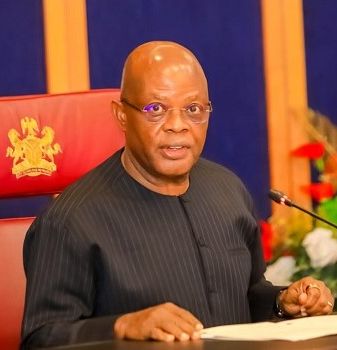
As Governor Siminalayi Fubara prepares to resume office on September 18, opposition parties and civil society groups have intensified calls for a full audit of Vice Admiral Ibok-Ete Ibas’s (retd) six-month emergency administration in Rivers State. Ibas was appointed by President Bola Tinubu in March following a political crisis triggered by a prolonged power tussle between Fubara and his predecessor, Nyesom Wike.
Opposition parties—including the Peoples Democratic Party, Labour Party, and New Nigeria Peoples Party—have labelled Ibas’s appointment unconstitutional, describing the emergency rule as a politically motivated intervention that undermined democratic processes. They insist the sole administrator’s control over state funds and institutions must be scrutinized.
The PDP’s Deputy National Youth Leader, Timothy Osadolor, called Ibas’s tenure “six months of illegality,” stressing that governance was handed to an unelected official without constitutional backing. He demanded that every kobo spent under Ibas be accounted for and properly documented.
Similar sentiments were echoed by NNPP’s National Publicity Secretary, Ladipo Johnson, who described the emergency rule as a “democratic aberration.” He argued that the federal government overreached by displacing an elected governor in a state that was not experiencing insecurity warranting emergency rule.

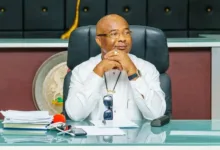
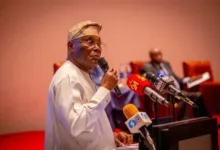
Ibas, however, defended his tenure during a thanksgiving service in Port Harcourt, claiming he fulfilled Tinubu’s mandate and laid the groundwork for peace and reconciliation. He urged Rivers stakeholders to put personal and party interests aside and focus on long-term stability. Notably, neither Wike nor Fubara attended the event.
The All Progressives Congress commended Ibas for restoring calm and overseeing peaceful local government elections. APC’s Director of Publicity, Bala Ibrahim, said only the presidency could properly assess Ibas’s performance, but credited him with upholding citizens’ democratic rights.
Groups such as the Ijaw Youth Council and the Movement for the Survival of Ogoni People (MOSOP) have also demanded investigations by the EFCC and ICPC. They accused Ibas of overstepping his mandate and managing state resources without legislative oversight or public accountability.
As Fubara’s return looms, the political climate remains tense. Critics argue that the federal intervention set a dangerous precedent, and insist that justice, transparency, and constitutional order must be restored in Rivers State.