Polio variant persists in North West as Nigeria intensifies vaccination drive
By Kunle Sanni –
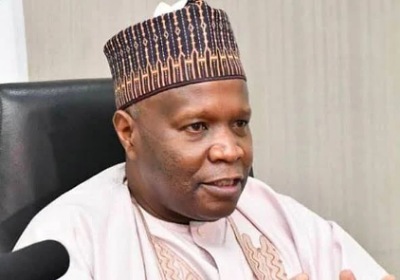
Nigeria’s renewed efforts to eradicate polio are yielding progress, but a vaccine-derived strain circulating in the North West remains a major concern, Gombe State Governor Inuwa Yahaya has said.
Speaking to State House correspondents after Thursday’s National Economic Council (NEC) meeting chaired by Vice President Kashim Shettima, Yahaya noted that ongoing interventions are producing measurable results.
He recalled that although Nigeria was certified free of wild poliovirus in 2020, attention has since shifted to containing a circulating variant concentrated in Kano, Katsina, Kebbi, Sokoto and Zamfara states.
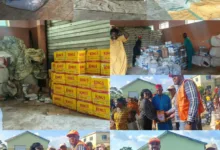
“As of the 33rd epidemiological week in 2024, we had 78 cases nationwide. That figure has now fallen to 42, showing a clear downward trend,” Yahaya said. Kano and Katsina recorded case reductions of 65% and 84% respectively, while Gombe has reported no cases this year. Sokoto, however, remains the hotspot, accounting for 13 of the 23 infections recorded so far in 2025.
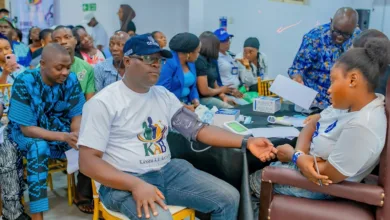
Yahaya highlighted improvements in surveillance and vaccine delivery, noting that settlements tracked with geo-coordinate data rose from 71% in April to 78% in June, while vaccination coverage improved from 81% to 84% in the same period. The first round of targeted campaigns across 11 high-risk states reached 2.7 million children, about 83% of the target population.
He added that health teams are also integrating other services alongside polio immunization — including nutritional supplements for pregnant women, malaria prevention kits and maternal-child health interventions — to encourage public acceptance.
A second round of immunization is scheduled for September 11–14 across the same high-risk states, to be followed in October by a nationwide campaign delivering measles, rubella, polio and malaria vaccines, along with treatment for neglected tropical diseases.
To strengthen coordination, NEC directed deputy governors to personally chair task force meetings at least two weeks before each campaign round, particularly in Kano, Kebbi and Sokoto. Commissioners for Health and primary healthcare heads will lead follow-up reviews, while local government chairmen are expected to drive grassroots mobilization.