North dominates Tinubu’s federal appointments with 56%, says FCC acting chairman
By Kunle Sanni –
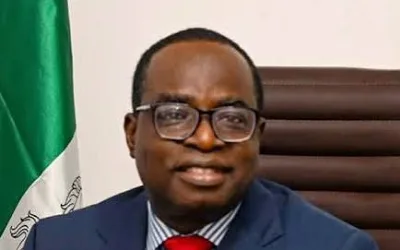
The Acting Chairman of the Federal Character Commission (FCC), Kayode Oladele, has revealed that the northern region accounts for the majority of federal appointments made under President Bola Tinubu, holding 56.3 percent of top leadership positions.
According to a Premium Times report on Sunday, Oladele made the disclosure in Abuja during the opening of a one-day workshop themed “Strengthening Leadership and Management Excellence in the Federal Character Commission in Line with the Renewed Hope Agenda.”
Oladele explained that the appointments reflect adherence to constitutional principles of equity and national balance, noting that the figures “provide clear evidence of deliberate inclusion and underscore the President’s commitment to national balance and faithful implementation of the federal character principle.”
Data compiled by the FCC show that while the North holds 56.3 percent of federal leadership positions, the South accounts for 43.7 percent.
A breakdown of ministerial appointments indicates that the North-West and South-West lead with 11 ministers each, representing 22.9 percent of the 48-member cabinet. The North-Central follows with eight ministers (16.6 percent), North-East with seven (14.5 percent), South-South with six (12.5 percent), and South-East with five (10.4 percent).
Beyond the cabinet, the FCC analysis shows that the North-West also tops the list of federal leadership appointments with 157 positions, representing 22.1 percent. The North-Central follows with 139 (19.5 percent), South-West with 132 (18.5 percent), North-East with 105 (14.7 percent), South-South with 91 (12.8 percent), and South-East with 88 (12.4 percent).
Oladele emphasized that the data demonstrate a deliberate effort by the Tinubu administration to maintain inclusivity across regions, stressing that the federal character principle is not a strict quota system but a framework to promote unity in diversity.
He added that the analysis excluded appointments such as special advisers, senior special assistants, and other presidential aides, as well as service chiefs and heads of security and law enforcement agencies.